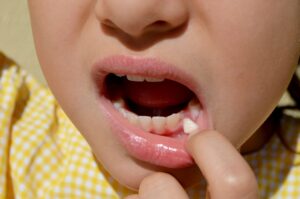
One of the purest expressions of joy is a child’s smile and saving that smile goes way beyond what most parents think. While parents may decide that it is most important to take their children for checkups and get them vaccinated, oral health is sometimes forgotten in the early years. However, the dental basis of a child develops within the first several months of life.
Therefore, at what time would it be right for a dental visit with your child? And why is it so important to start quickly? Let’s take an honest look at everything a parent should know about the appropriate age for the first dental visit, what dental care will have on oral health in the long run, and how the appointment will be.
The Right Age for Your Child’s First Dental Visit
Children ought to go to a pediatric dentist at the very latest by the age of one or within half a year of the arrival of the first tooth, according to the American Academy of Pediatric Dentistry (AAPD).
It could be considered a bit premature to bring a child to the dentist, but such a visit is necessary for prevention. Thus, the little one gets used to the atmosphere of the dental office and the next time he/she will not be afraid and will not experience anxiety. In addition, parents get a very good chance to be informed about the process of teething, feeding, and getting the baby clean with the brush
Why Early Dental Visits Are So Important
Generally, dental problems, that is, cavities and gum infections, in children are situations that develop silently and without pain. Most of the time when symptoms appear, it is already a late stage of the condition. One dental visit at the proper age not only helps to spot these problems at an early stage but also empowers you to take preventive measures first.
Some reasons explaining the importance of early visits care as follows:
- Prevention Over Cure: The first assessment can detect potential dental risks such as caries caused by incorrect brushing of teeth or habits like thumb sucking.
- Building Trust: Getting used to going for a dental checkup at an early age makes the children less scared of the dentist and therefore more likely to undergo future treatments without fear.
- Healthy Development: Checking regularly the eruption and alignment of teeth provides an opportunity to grow speech skills properly through normal development of the jaw bone and oral cavity.
- Support for Parents: Dentists guide parents on infant oral care, be it through advice on cleaning, teething, or appliances like toothbrush, and toothpaste.
- Dietary Advice: Parents get the guidance on what to feed their kids, the right method of weaning, use of a bottle and sugar intake.
In fact, the initial dental appointment has to be regarded as a way of setting up strong oral hygiene routines rather than just a teeth check.
What Happens During the First Dental Visit
Parents often imagine a complex and thorough examination during the first visit, but the truth is it is usually a simple, gentle, and educational one. The aim is to get the child and parents familiar with the situation.
It is suppose to be like this:
- Introduction and Familiarization: The dentist warmly welcomes the child, thus, setting up a positive and friendly atmosphere.
- Visual Examination: The dentist visually inspects the gums, tongue, and teeth (if any) for the first signs of decay, infection, or any abnormalities.
- Discussion with Parents: Parents get an oral hygiene briefing with fluoride usage and healthy dietary habits being some of the topics covered.
- Teething Guidance: The dentist tells what is coming for the child during different teething stages and how to deal with the pain in a safe way.
- Preventive Measures: The dentist can decide to cover the child’s teeth with a fluoride varnish in case the child is old enough for it and the purpose is to strengthen the enamel and keep it free from decay.
- Follow-Up Plan: The idea of future visits at intervals of six months is mostly suggested.
The first session is usually about comfort, education, and prevention and lasts around 20–30 minutes.
Common Misconceptions About Early Dental Visits
Quite a few parents are delaying dental checkups until after all the baby teeth have come out, mostly because of the misconceptions like “milk teeth don’t matter” or “children are too young to have dental problems.” Actually, primary (baby) teeth) are equally important as permanent ones.
These lies will not do any good, here are the reasons:
- Myth: Baby teeth are going to be thrown anyway, so they don’t have to be looked after.Correct: Decay without treatment in baby teeth can lead to pain, abscess, and even damage of permanent teeth that are under them.
- Myth: Visits to the dentist are only needed when there is a problem.Correct: Checkups that involve prevention lessen the chances of getting caries, misalignment, or gum disease, thus major issues are avoided.
- Myth: Children’s toothpaste can wait until they grow up.Fact: Even the enamel of a toddler can be made strong with the right fluoride-based toothpaste but only in very small amounts.
If misconceptions are corrected at an early stage, the effect will live on in a child’s total oral health and self-confidence.
How to Prepare Your Child for Their First Dental Visit
Though it would be best to have a dental checkup every six months, there are certain symptoms that require a dentist’s visit sooner. Be on the lookout for:
- Bad breath that keeps coming back
- White or brown spots appearing on the teeth
- Sensitivity in the mouth while consuming food or brushing
- Gums that are swollen or bleed
- Continued thumb-sucking or breathing through the mouth for a long time
Creating Healthy Habits from Day One
The very first dental appointment is the start of a dental care journey that will be lifelong. It is a good idea for parents to initiate oral care even before the first tooth arrives – cleaning the gums gently with a soft, clean cloth after feeding and getting a baby toothbrush ready once teeth come out.
Daily habits to encourage:
- Brushing should be done two times a day with a soft-bristled brush.
- Sugary snacks and beverages should be limited.
- Water should be given after meals or milk.
- Do not put the baby to sleep with a bottle.
- Keep up with regular dental checkups every six months.
By following these easy routines, your child’s smile will always be radiant, healthy, and full of self-confidence during their growth.
When to See the Dentist Sooner Than Scheduled
Although regular checkups are best every six months, there are some signs that require a dental visit sooner. Be sure to check for a:
- Persistent bad breath
- White or brown spots on teeth
- Sensitivity while eating or brushing
- Swelling or bleeding gums
- Prolonged thumb-sucking or mouth breathing
In case any of these happen to you, it is the most appropriate moment to dental consultation without delay. Preventing early evaluation turning minor issues to sore or expensive ones is the smartest decision.
Dentistry Junior: Nurturing Healthy Smiles from the Very First Tooth
We at Dentistry Junior feel that the kids are the most important and thus they should have a bright and healthy smile right from their first tooth. Our children’s dental care team is equipped with the expertise to provide a gentle, patient-friendly treatment that is aimed at making the smaller patients secure and cheerful.
Using state-of-the-art technology, prevention as the center of attention, and a kind nature, we support parents throughout each phase of their child’s oral growth from infancy to the teenage years. Whether it is your child’s first visit to the doctor or just a regular check-up, our target is to make the experience a positive one which results in the dental confidence of your child being established forever.