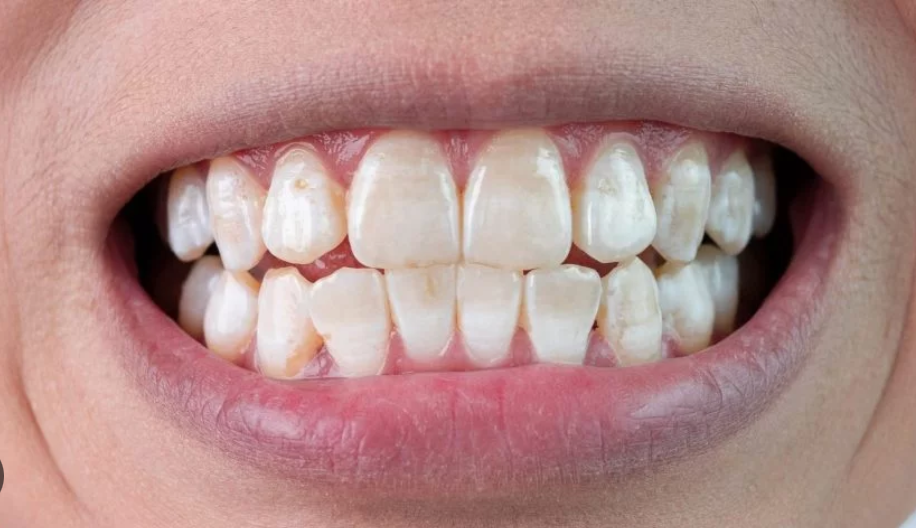
Dental injuries are not uncommon in childhood especially at early childhood when children are learning how to walk, run and engage in physical activities. Trauma to the teeth may occur as a result of falls, accidents occurring in sport events, and collisions in the course of play. A very common transformation that can make a parent anxious is the turning of the tooth of a child grey after he or she falls. This discoloration can be seen several days and even several weeks following the injury and many caregivers are left wondering whether it is a sign of a severe dental issue.
A grey tooth might not necessarily indicate a serious complication, still, it demands close consideration of a dentist. Knowledge of the potential causes, consequences, and proper reaction may enable parents to make sure that their child gets quality and expedient care.
Why A Tooth Might Go Gray After Trauma.
The tooth structures may be impacted when a tooth is subjected to physical trauma. All teeth have a central pulp chamber where nerves, blood vessels and connective tissues are located and thus sustain the vitality of the tooth.
These internal tissues may be harmed by a fall or impact. There are instances whereby blood vessels serving the tooth can burst causing bleeding in the pulp cavity. When the blood elements are disintegrated, it can turn the tooth grey or bluish in color or darker.
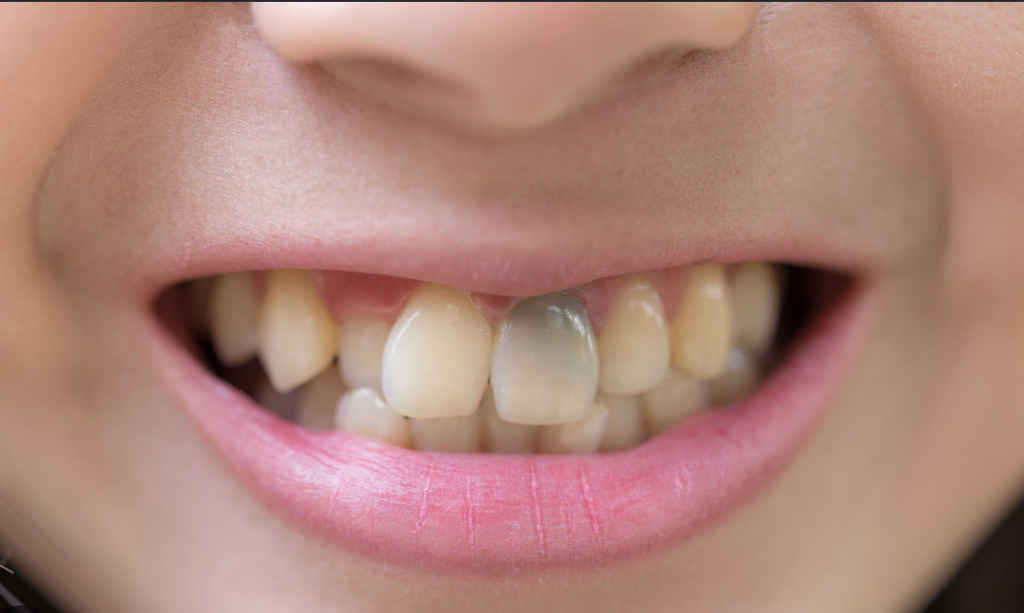
This form of discoloration can either be seen in the primary teeth (baby teeth) or permanent teeth. A change in colour is frequently one of the first that can readily be noticed and that indicates that the tooth has been affected internally.
Normal Bruising vs. Pulp Damage.
A grey tooth can also just be a situation of bruising in the tooth due to trauma. Much like a bruise that turns color upon traumatic blow to the skin, a tooth may turn dark in the immediate response of the internal tissue to the damage.
The discoloration can be reversed with time in case the pulp tissue is healthy and blood supply is restored. The tooth can later regain its normal color without the need to undergo a very long treatment.
Nonetheless, nerve tissues within the tooth might become non-vital in the event that the trauma damages the pulp extensively. Discoloration may continue and even intensify when the pulp becomes non-vital. Professional dental assessment is therefore necessary in such instances to help work out the right line of action.
Additional Potential Etiologies of Grey Discoloration.
Even though the most prevalent cause of a child having a grey tooth after a fall is the trauma, there are other causes that may cause discoloration following an injury. These may include:
- Internal bleeding in the tooth, which causes pigment alterations.
- Injury to the supply of nerves to the tooth, leading to pulp death.
- The processes, which start to break down the tooth structure, are known as resorption processes.
- Injury to the enamel or dentin which leads to mineral changes.
A dentist can give clinical examination and in rare occasions dental radiographs to identify the precise cause of the discoloration.
Symptoms That Demand Emergency Dental Care.
Although a grey tooth is not necessarily a cause of any severe issue, some other symptoms can be used to indicate that some more serious harm to the tooth or other tissues might have occurred.
The parents are advised to consult a dentist immediately in case the child develops:
- Constant tooth Achilles tendinopathy or sensitivity.
- The gums around the affected tooth swell.
- The formation of a pimple-like swelling on the gums (even abscess)
- Increased tooth mobility
- Diversity in chewing or biting.
The signs can show infection or damage to the pulp that needs the treatment of the professionals.
Morphological Differences Between Permanent and Baby Teeth.
Treatment of a grey tooth is partly dependent on the type of tooth affected, that is, whether it is primary tooth or permanent tooth.
In case a baby tooth loses color due to trauma, dentists usually check on the tooth after some time to know whether it is healthy or not. When the tooth is not unstable, painless, and free of infection, there is no need of any treatment in many instances.
Nevertheless, when infection in the pulp or the occurrence of an abscess is present, the dentist might suggest treatment or extraction of the affected tooth to safeguard the forming permanent tooth underneath the affected tooth.
When a permanent tooth becomes grey after an injury, the maintenance of the tooth is of greater priority. Treatment alternatives might be necessary like root canal treatment which might be needed to eradicate infection and protect the structure of the tooth depending on the state of the pulp.
The Significance of Dental Examination following a Fall.
Although a child does not necessarily complain of pain, it is recommended to have a dental check up once any major injury has been caused to the mouth or the teeth. Other dental traumas might not cause any instant effects yet they can result in complications in the long run.
A dentist will examine the tooth color, stability and its response to tests. Radiographs of the roots, bone surrounding them, and permanent developing teeth can also be made by dental radiographs.
Early assessment enables the dental practitioners to detect any possible issues at their initial stages and to develop a proper monitoring agenda.
Post-Discharge Surveillance and Follow-Up.
A dentist can in most instances prescribe follow-up visits to monitor the affected tooth in the long run. These appointments enable the dental staff to assess the alterations in color, tooth vitality and tissues surrounding.
In case the tooth is stable and symptom-free, no active treatment can be required. Nonetheless, in case symptoms of infection or pulp damage arise, the intervention will be timely to avoid complications.
The parents also should not stop practicing good oral hygiene on their child and putting too much pressure on the injured tooth during the healing process.
Dental Injuries in Children Prevention.
Even though preventing all accidents is impossible, some measures can be taken to minimize the risk of dental injuries in children.
The utilization of protective mouthguards to prevent falls and collisions that impact the teeth when playing a particular sport, the maintenance of safe playing conditions, and the overseing of younger children when engaging in physical games can serve a beneficial role in preventing the possibility of falls and collisions.
Child teaching on the importance of dental protection also creates the awareness of the importance of teeth protection in the long term.
Conclusion
A grey tooth following a fall can understandably cause concern for parents. While discoloration may sometimes represent temporary bruising within the tooth, it can also indicate damage to the internal tissues. Because the underlying cause is not always visible, professional dental evaluation is important whenever a tooth changes color after trauma.
Early assessment allows dentists to determine whether the tooth is healing naturally or requires treatment. Prompt care helps protect both the injured tooth and the surrounding oral structures.
At Dentistry Junior, the focus is on helping parents understand common pediatric dental concerns and the steps required to address them effectively. By providing reliable and informative guidance, the aim is to support families in making informed decisions that promote healthy dental development for children.