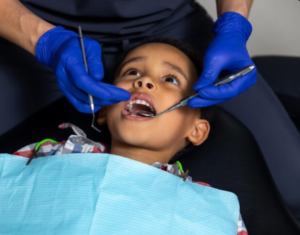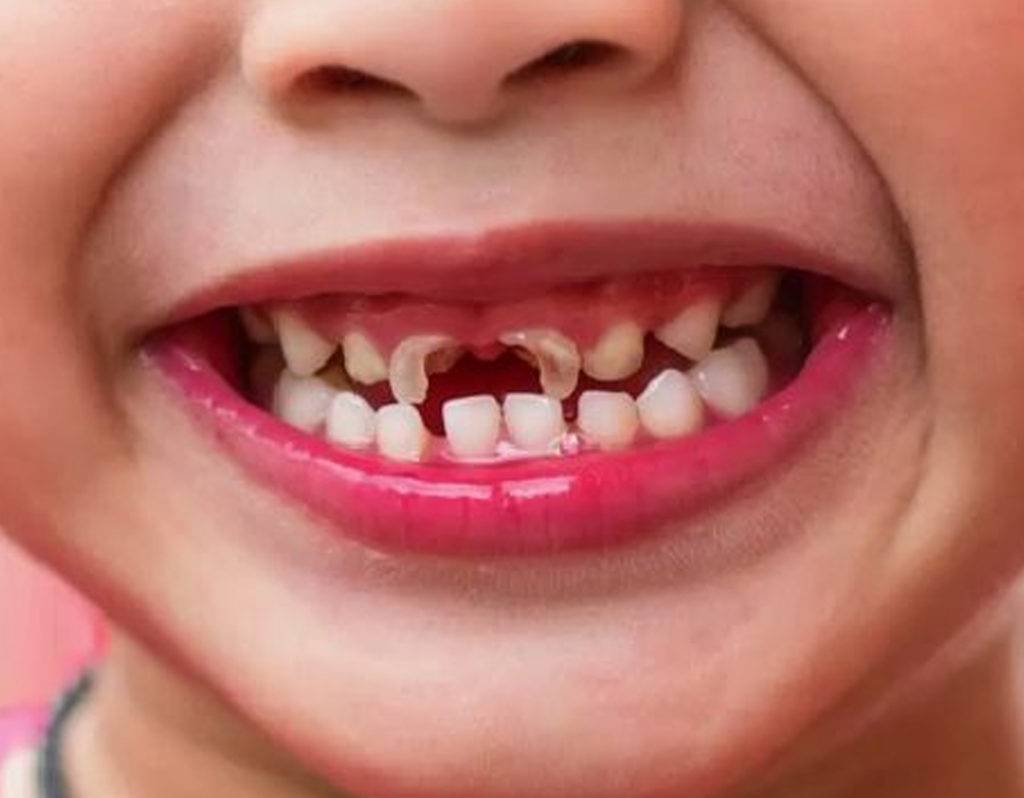
Cavities in children are so common and yet do not occur inevitably. Tooth decay in most cases occurs gradually because of the combination of different factors that include snacking often, sweet drinks, inappropriate brushing, absence of fluoride protection and late visit to the dentist. The positive factor is that cavities are preventable and even in the early stages of the decay are frequently avoided in case the proper habits are established and followed early in life.
Dentistry Junior has prepared this age-wise checklist to the parents with the aim of making cavity prevention simple, practical, and realistic at every age in childhood. Needs vary with all ages and when the right steps are applied at the right time, then the baby teeth are guarded and strong permanent teeth are formed in the future.
Why Cavity Prevention Must Be Age-Specific
Oral cavity of children goes through changes at a rapid pace. Feeding patterns, ability to brush, timeline of tooth eruption, and changes in diet habits are different every year. A toddler’s routine, if it has been well working, still won’t be sufficient for a school child; similarly, a teen with braces will require a different oral hygiene regimen than a child who has no orthodontic treatment.
Dental caries or cavities develop when microorganisms living in the plaque use the sugars and starches from the food and drinks as their food. These microbes release acids that attack the tooth enamel. Gradually, the enamel is damaged, and a cavity is formed. The main goal of prevention is to keep attack in 4 major areas:
- Reducing sugar exposure and snacking frequency
- Removing plaque properly every day
- Strengthening enamel with fluoride
- Detecting early changes through regular dental visits
Age 0–6 Months: Start Before Teeth Erupt
Many parents assume oral care begins only after the first tooth appears. In reality, cavity prevention starts with good feeding practices and gum hygiene from the first months.
Checklist for 0–6 Months
- Clean the baby’s gums once daily using a soft, clean damp cloth.
- Avoid letting the baby fall asleep while feeding, especially with a bottle.
- Do not add sugar, honey, or sweeteners to milk or pacifiers.
- Avoid sharing spoons, cups, or licking the pacifier clean, as cavity-causing bacteria can transfer from adults to babies.
What matters most at this stage is controlling bacterial exposure and preventing prolonged milk pooling in the mouth during sleep.
Age 6-12 months: First Tooth, First Tooth Brushing Habit.
The initial tooth is likely to erupt at the age of 6 months. At this point, plaque may attach to enamel and early decay may occur in case delay in oral care.
Checklist for 6 to 12 Months
- Brush in the morning and evening with soft baby toothbrush.
- Apply toothpaste fluoride in a smear (about the size of a grain of rice).
- Give water following meals when feasible (sips, as per age).
- Avoid night bottle feeding when the teeth have erupted.
- Begin to condition the child to brush his teeth.
This is a phase of habit-forming. The brushing should be soft even though consistent.
Age 1 to 2 Years: Toddlers Require Constant Oversight
Kids at this stage are very uncooperative when it comes to brushing and are likely to swallow toothpaste. It is up to the parents entirely to ensure that the teeth are properly cleaned.
Checklist for 1 to 2 Years
- Brush twice a day with a soft toothbrush and fluoride toothpaste (smear amount).
- Brush at least for 60 seconds, all the surfaces especially the back ones.
- Stop the habit of frequently sipping milk or juice throughout the day.
- Stay away from sticky treats like candies, biscuits, and other sweetened packaged foods.
- Do not allow bottles to be used as a method of comforting for sleeping.
- Make the first dental visit no later than the first birthday or within 6 months of the first tooth.
One of the most frequent reasons for caries in toddlers is repeated exposure to sugars beyond just obvious sweets. Even nighttime feeding with milk can increase the risk when brushing is not done properly after that.
Age 3 to 5 Years: Preschool Years and High Cavity Risk.
This is one of the most dangerous stages of cavities as children start to consume more snacks, go to school, and become more independent, and at this stage, brushing cannot be effective without assistance.
Checklist for 3 to 5 Years
- Brush teeth twice a day with fluoride toothpaste in the size of a pea.
- Brushing needs to be supervised by parents, and final brushing needs to be done as well in order to be well-cleaned.
- Begin dried-up daily in case the teeth are touching each other (in molars).
- Eat sugary foods only at meal time but not as snacks.
- Avoid sweets, toffees, chocolates and sweetened drinks.
- Promote the use of water in the mouth after snacks.
- Request the dentist on the issue of fluoride varnish in case the child is at high risk of cavities.
At this age, most of the children brush in a hurry and overlook the back teeth. Majority of the cavities begin at the grooves of the molars and between the teeth which the children cannot clean effectively by themselves.
6-9 Years Dentition Stage: Mixed Dentition (Baby + Permanent Teeth)
This phase is very important since the initial permanent molars tend to emerge at the age of 6. Such teeth usually arrive without the notice of the parents as none of the baby teeth falls off first. They are enduring teeth which are designed to last a lifetime.
Checklist for 6 to 9 Years
- Brush twice a day two minutes using fluoride toothpaste.
- Keep parental vigilance in place, particularly night time brushing.
- Begin to floss every day (parental assistance may be required).
- Promote drinking water as the primary beverage; restrict juices and soft drinks.
- Enquire with the dentist about the dental sealants on permanent molars.
- Be aware of the marks of early white spots on the teeth, which may signify the loss of enamel.
- Continue dental checkups after every 6 months of monitoring and preventive treatment.
The best preventive measure on children is sealants since they cover deep grooves that cannot be well covered by brushing.
Age 10 to 12 Years: Growing Independence, Growing Risk
The pre-teen may become more frequent in eating out and irregular in brushing. Orthodontic assessments usually start at this period as well.
Checklist for 10 to 12 Years
- Clean teeth twice a day with proper technique, paying attention to the gumline and the molars.
- Brush every day, particularly between the teeth and in the crowds.
- Minimize packaged snacks, chips, biscuits and sweet beverages.
- Avoid regular consumption of sweetened beverages while at school.
- In case braces or aligners are used, use rigid cleaning schedules.
- Only apply fluoride mouthwash on a dentist recommendation (age-appropriate).
- Have regular examinations after every 6 months.
Another significant risk of the age group under analysis is a significant frequency of small sugar doses, which can happen when a person sips sweet beverages with time. This maintains the level of acid and raises the risk of cavities.
Age 13 to 18 Years: Teen Cavity Prevention Strategy
As the teenagers might seem competent in terms of hygiene, the cavities are widespread because of lifestyle habits: late-night snacks, soft drinks, sports drinks, energy drinks, infrequent brushing, and orthodontic appliances.
Checklist for 13 to 18 Years
- Brush twice a day with two minutes using toothpaste that contains fluoride.
- Brush every day, no exceptions, particularly when there is a congestion of teeth.
- Restrict sports drinks, sweet coffee, and carbonated drinks.
- Snack without any regularity; eat in a regular manner.
- Wearing braces, clean after each meal, where possible.
- In case the risk is high ask the dentist about high-fluoride toothpaste.
- Treat dry mouth (often comes with mouth breathing or some medications) by drinking enough water.
- Also make frequent dental appoints, even when pain is absent.
Teen galleries usually build in silence. When the pain will manifest, it is often severe, and it may take sophisticated treatment.
Daily Non-Negotiables for Every Age Group
Some cavity prevention rules apply to all children, regardless of age:
Brushing at night is the most important.
Night brushing matters more than morning brushing because saliva flow reduces during sleep and bacteria become more active.
Sugar frequency matters more than sugar quantity.
Eating sweets once with a meal is less harmful than eating small sugary snacks repeatedly through the day.
Water is the safest daily drink.
It cleanses the mouth and reduces acid attacks on enamel.
Pain is not an early warning sign.
Cavities often do not hurt until they are deep. Waiting for pain means waiting too long.
Early Signs of Cavities Parents Should Not Ignore
A dental visit should be scheduled if any of these signs appear:
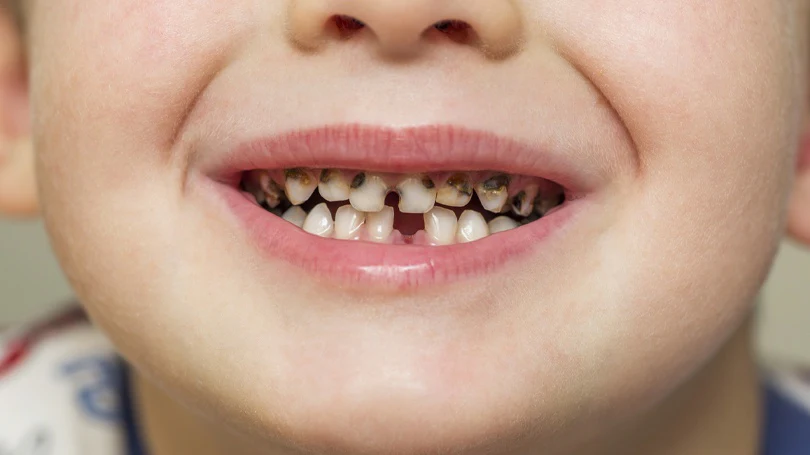
- White chalky spots on teeth (early enamel damage)
- Brown or black dots on grooves of molars
- Food getting stuck repeatedly in the same area
- Sensitivity to cold or sweets
- Bad breath that returns even after brushing
- Complaints of chewing pain on one side
Early cavities can often be treated more simply and comfortably when detected in time.
Final Takeaway: A Simple System Prevents Most Cavities
It does not take drastic action to prevent cavities in children. It needs routines that are regular and age-dependent: under supervision, brushing, the appropriate use of fluoride, less frequent snacking, intelligent food selection, flossing at the moments when teeth are touching each other and preventive dentist visits. Baby teeth are not interim and insignificant. They direct the formation of the jaw, aid speech, and safeguard the area of future teeth. Early protection lowers the dental issues over years.
To prevent the dental issues of children at every stage of their development with the help of sealants, fluoride protection, and regular checkups that are tailored to the children, parents are welcome to visit Dentistry Junior.