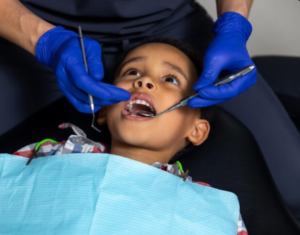
Any parent can be frightened when a child is suddenly awakened to cry in pain from his or her teeth. The immediate crying, insomnia, and the inability to say precisely what is pained usually complicates the situation further and causes increased stress. Most night-time toothaches are not the emergency cases, however, they should never be disregarded, particularly when the pain is so intense that it makes sleep impossible. Pain in the tooth at night normally means it is inflamed, pressurized or gums are irritated and usually becomes worse when the child is lying down because when a child lies down, the blood supply to the head is increased.
Many parents in Bangalore observe that the toothache incidences tend to increase during changes in seasons or during exam pressure or when the children eat more sweets during outings and festive periods. Nocturnal toothache may also be caused by the presence of food between teeth, early tooth cavities or even the gum pains associated with the teeth of younger children. Managing the pain safely at home means coming to the night and then scheduling a dental check-up in the near future- because toothache is not the issue, but rather a symptom.

A child’s teeth are smaller, and decay progresses faster compared to adults. This is the reason why a shallow wound could develop into deep pain in a less time interval. In case the toothache is neglected several times, the infection may spread to the surrounding gums and provoke swelling, the formation of pus, fever, or impaired eating. Early intervention does not only avoid complications, but also lessens the intensive intervention in later stages.
The other critical consideration is that in some cases, the children complain of tooth pains when the actual problem is elsewhere like gums are inflamed, there is a mouth ulcer, the sinus is pressing somewhere or even the pain in the ear that is radiating to the jaw. This is the reason why it is important to observe carefully. A dentist can learn the cause in a short time by noticing the location of the pains, whether cold water, or sweets are the triggers, or whether it is swollen.
It is recommended to treat night-time toothache in two steps: first of all, it is better to relax the child and address the discomfort without serious consequences; secondly, it is possible to plan the dental appointment of the next day to find out and eliminate the cause. Home remedies are not used to cure or treat decay, infection or gum disease, only to provide some temporary relief. When the pain returns it is obvious that it should be treated at the professional level.
What to Do Immediately at Night (Safe, Practical Steps)
1) Keep the child calm and seated upright
- Sit the child up or prop them with pillows
- Lying flat can increase throbbing pain
- Encourage slow breathing and gentle reassurance
2) Check the mouth with a torch (quick inspection)
Look for:
- Food stuck between teeth
- A visible cavity (brown/black spot)
- Swollen or bleeding gums
- A loose tooth (especially in mixed dentition age)
- Any injury from biting or a fall
3) Rinse gently with warm water
- Use plain warm water, not hot
- For older kids who can spit properly, a gentle rinse helps remove irritants
- Avoid aggressive swishing if pain is severe
4) Remove stuck food carefully (only if visible)
- Use dental floss to gently clean between the teeth
- Do not poke the teeth with toothpicks, pins, or other sharp objects
- If the child is crying or resisting, do not force anything
5) Apply a cold compress on the cheek (outside only)
- Wrap ice in a cloth and place on the cheek for 10 minutes
- Take a break and repeat if needed
- Cold helps reduce inflammation and numbs pain
6) Give a child-safe pain reliever (only if appropriate)
- Use age-appropriate medicine as per label instructions
- Prefer medicines recommended by a pediatrician previously
- Avoid overdosing or mixing medicines
- If unsure, consult a doctor or emergency helpline before giving anything
7) Keep the child hydrated with plain water
- Small sips help comfort and prevent dryness
- Avoid juice, cold drinks, or anything acidic
8) Avoid giving sweets or sticky snacks “to distract”
- Chocolate, biscuits, and sugary milk worsen tooth pain in cavities
- Sticky foods can lodge into decay and increase pressure
What NOT to Do (Common Mistakes Parents Make)
- Do not place clove oil directly inside the child’s mouth
It can burn soft tissues and worsen irritation. - Do not apply heat packs on the face
Heat may increase swelling if infection is present. - Do not give antibiotics without a dentist’s prescription
Tooth infections need proper diagnosis and drainage/treatment, not random antibiotic use. - Do not put aspirin on the gums or tooth
It can cause chemical burns in the mouth. - Do not ignore pain that wakes the child repeatedly
Night pain often indicates deeper inflammation. - Do not delay care if swelling appears
Swelling suggests infection and needs urgent evaluation.
Why Toothache Gets Worse at Night
Tooth pain can feel stronger at bedtime due to:
- Increased blood flow to the head when lying down
- Reduced distractions, making pain feel more intense
- Pressure buildup inside the tooth (pulp inflammation)
- Grinding or clenching during sleep in some children
- Cold air from fans/AC triggering sensitivity in exposed areas
Common Causes of Night Toothache in Children
Tooth decay (cavities)
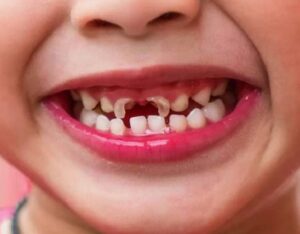
Most frequently it is caused by such mechanism. Cavities give bacteria an opportunity to penetrate the interior of the tooth, thus the layers will be sensitive and finally there will be nerve pain.
Food caught between teeth
A small particle of food can be pressed to the gums and result in sharp pain, especially during the night.
Gum infection or inflammation
Gums that are swollen and bleeding when brushing as well as pain when eating can be signs of gum inflammation.
Teething and erupting molars
Children may experience pain and have difficulty sleeping due to the eruption of new teeth.
Milk tooth becoming loose (natural shedding)
There might be an aching sensation when milk teeth become loose and it will usually be when you are eating or brushing.
Dental trauma
If a child falls while playing, the tooth may be fractured or the nerve may be bruised; pain does not appear until night time.
Teeth grinding (bruxism)
Some children may grind their teeth due to stress or because of their sleeping pattern; as a result, they may have a sore jaw or sensitivity to the teeth.
Warning Signs That Need Urgent Dental Attention
Seek urgent care if any of these are present:
- Facial swelling on one side
- Fever with tooth pain
- Pus discharge or foul taste in mouth
- Child unable to open mouth properly
- Difficulty swallowing or breathing
- Severe pain not improving with basic pain relief
- Tooth looks dark/grey after an injury
- Child refuses food and water due to pain
Next Morning Plan: What Parents Should Do
- Book a dental visit the same day if possible
- Note down:
- Which tooth hurts (upper/lower, left/right)
- What triggers pain (cold, sweet, chewing)
- Whether pain is throbbing or sharp
- Any swelling or fever
- Keep the child on soft foods until examined
- Maintain gentle brushing (avoid skipping completely)
What a Dentist in Bangalore May Do During the Visit
Depending on the cause, treatment may include:
- A dental examination and X-ray if needed
- Removal of food trap and gum cleaning
- Filling for early or moderate cavities
- Pulp treatment if decay is deep
- Extraction if the tooth cannot be saved (only when necessary)
- Fluoride application to strengthen teeth
- Advice on brushing technique and diet correction
Prevention Tips to Reduce Night Toothaches
- Brush twice daily using a fluoride toothpaste (pea-sized amount)
- Supervise brushing until at least 7 to 8 years of age
- Limit sticky sweets, chocolates and frequent snacking
- After snacks, encourage rinsing mouth with water
- Schedule routine dental check-ups every 6 months
- Keep check on mouth breathing and dry mouth habits
- Use a mouthguard if grinding is confirmed by a dentist
Final Note for Parents
The fact that children experience a night-time toothache is one of the indicators that something should be done about it: either there is a growing cavity, gum irritation, or erupted tooth. Rapid home care will assist the child in sleeping, although this is the most safe option as to avoid infection and future suffering through professional assessment. Most children bounce back to sleep easily and with proper time and the proper preventive routine, they heal fast and recover easily.