Orthodontic treatment is commonly linked with teenage years, yet the basics of the proper teeth alignment start long before that period in childhood. Most of the dental corrective problems can be detected at early stages of the development of the mouth before anyone thinks of using braces. In the case of parents, it is possible to identify the initial symptoms that a child might require orthodontic check-up in order to be able to provide timely treatment and improve future results. Knowing these signs will enable families to make proactive measures towards healthy dental formations and fit oral functions.
Understanding the Purpose of Braces
Braces are orthodontic devices that ensure the alignment of misaligned teeth, bites and jaw positioning issues. The correct set of the teeth is not only about the looks but also about the functionality. Whenever teeth are placed well, they will be easier to clean and less exposed to decay, besides being in a better position to carry out other vital functions like chewing and speaking.
Orthodontic care can treat overcrowded teeth, teeth gaps, overbites, underbites, and crossbites. By detecting such problems early, the dental workers are able to track the development and make an informed decision as to when such treatment can be done.
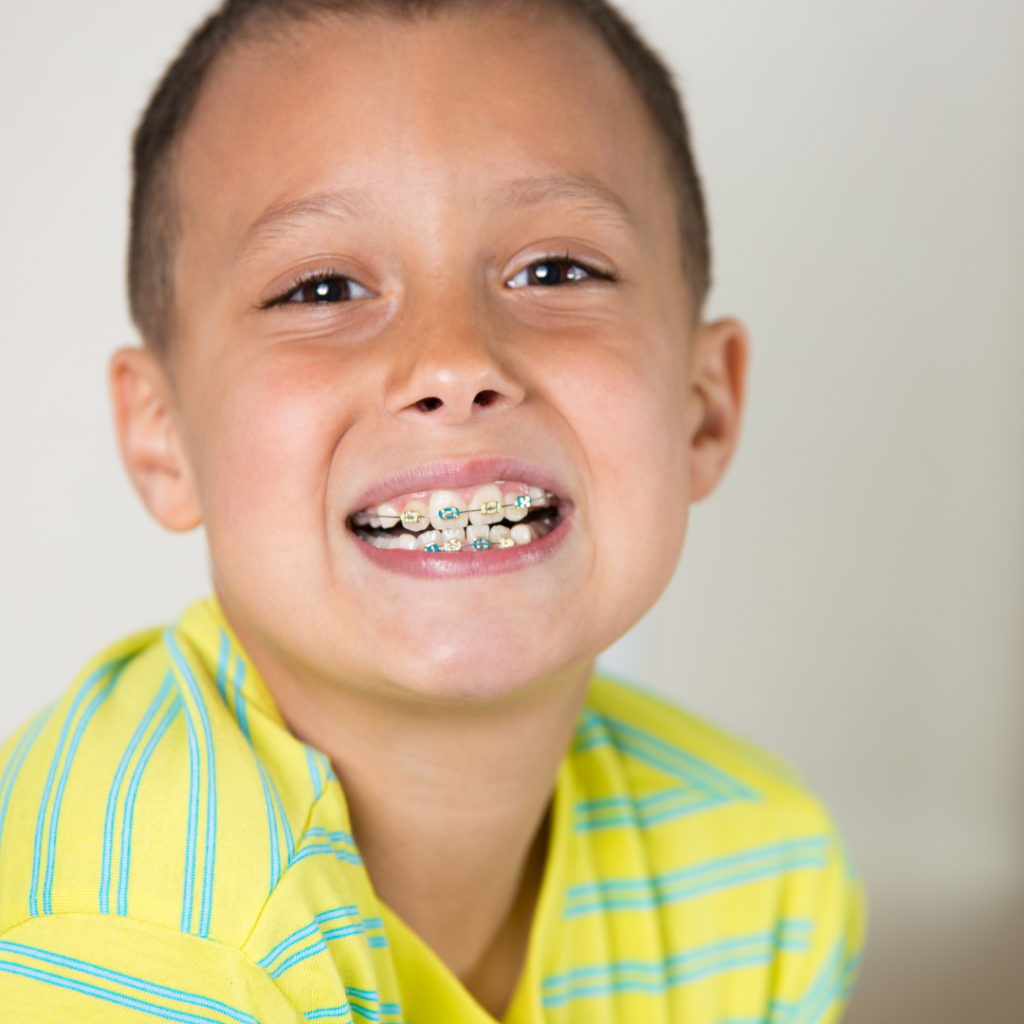
The Significance of Timely Orthodontic Assessment.
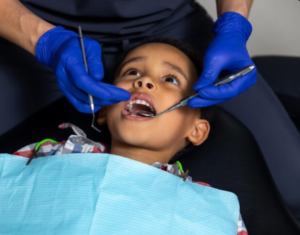
The dental specialists usually advise that a child has the initial orthodontic evaluation at age seven or below. At this age, children usually possess a combination of both baby teeth and permanent teeth and this enables the dentists and orthodontists to see the way the jaw and teeth are developing.
Early assessment does not imply that the need of braces will occur instantly. Rather, it will give a chance to detect possible issues and track the dental progress throughout the period. In other instances the intervention at early stages can help shape the growth of the jaw and make the treatment less complex in the future.
Early Onset Signs To be monitored by parents.
There are a number of signs that one might notice which might require an orthodontic check to be done. Parents that observe these signs must think about visiting a dental professional to have them examined.
Overcrowded or Overlapping Teeth.
Crowding is one of the most frequent indicators that a child is in need of braces. In cases where the jaw lacks the adequate size in which all the teeth can erupt in a proper manner, teeth can be overlapping, twisting or they can be seen to be misaligned. Brushing and flossing might be more difficult as there will be more people, and the possibility of plaque accumulation and cavities is high.
Premature or Retarded Baby Tooth Loss.
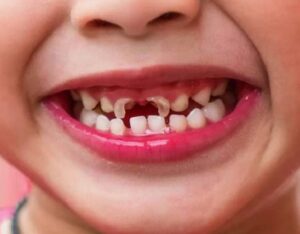
The loss of the baby teeth is significant in dental alignment and can be determined by reference to timing. The premature or delayed loss of baby teeth may lead to a disturbance of the normal sequence of permanent teeth eruption. If baby teeth are not falling out as soon as they are supposed to or prematurely, they might intervene with the appearance of new permanent teeth.
Difficulty in Chewing or Biting.
Children with a sore bite, discomfort on chewing or biting the food can possess some alignment problems. Uneven bites may cause too much pressure on some teeth which will cause permanent dental complications in the future in case of non-treatment.
Mouth Breathing
Long-term mouth breathe can be occasionally linked to the problem of lower lip development or constrained dental arches. This habit has the potential to affect the growth of the face and in the long run may cause alignment problems.
Thumb Sucking After Early Childhood.
Thumb sucking is very normal among young kids yet in cases where the behavior goes on after age five six years, it can have an effect on the positioning of the teeth and the shaping of the jaw. Thumb sucking may also cause the front teeth to protrude or an open bite in case it is prolonged.
Protruding Front Teeth
Front teeth which seem to be especially forward or jutting out in front of lower teeth could be an indication of an overbite. Such a state may suggest a risk of injury of the teeth in cases of falls or sports activities.
Misaligned Bite
The parent might realize why the upper and lower teeth of his child cannot fit together when the mouth is closed. Any type of over bite, underbite or cross bite can influence the efficiency of chewing and it might have to be fixed through orthodontics.
The Role of Jaw Development
The orthodontic issues do not only concern the teeth. Jaw development and placement also become very essential in dental alignment. When one is still a child, the jawbones are not fully formed and thus, this is the ideal time to treat some of the structural issues.
The initial orthodontic assessment can be used to control or influence the development of the jaw and provide enough space for permanent teeth. Some interceptive treatments can also be prescribed so as to avoid more serious misalignment in the future.
The advantages of Early Identification.
Timely identification of orthodontic concerns has a number of benefits. Monitoring at an early age enables the dentists to monitor the progress of dental development and decide whether or not any intervention is required.
In other situations, early treatment can make the subsequent orthodontic treatment easier, shorten the treatment time, or avoid such complications as severe crowding or bite problems. Moreover, early diagnosis may be applied to enhance the confidence of the child and their level of comfort with the dentist.
Caring for Oral Health in Dental Development.
Good oral hygiene is necessary even in cases where the orthodontic treatment is not urgent. Children are expected to brush their teeth twice in a day using fluoride toothpaste and floss to clear plaque between the teeth.
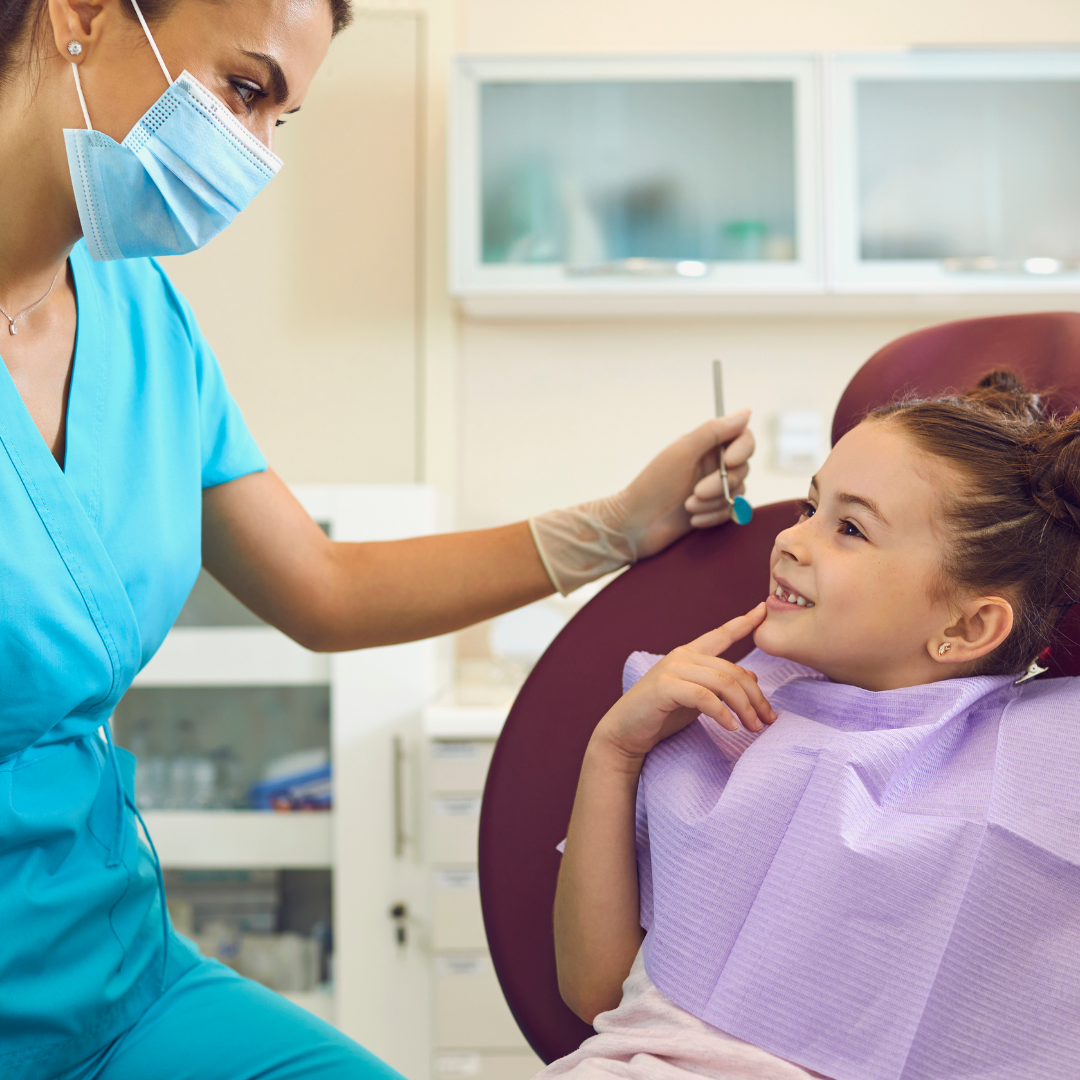
Regular check-ups of the dentists will enable the practitioner to track the progress of the mouth, detect any problems at an early stage, and offer information on how to maintain health. The visits also make the children have positive attitudes towards dental health.
Conclusion
Orthodontic problems tend to accumulate over time as a child grows and most of the warning signs could be detected in the normal course of developing dental formation. The indicators may include crowded teeth, bite malformation, long-term thumb sucking, and delayed loss of teeth, which may be considered as the reasons why orthodontic examination is necessary. Early identification of these signs enables parents to consult the professional in time and make sure that the child has normal development of teeth and jaws.
Making a dental visit regularly is a very crucial effect of the growth of teeth and whether orthodontics treatment is a practical option or not. At Dentistry Junior, we offer thorough assessments and preventive care and also ensure a family knows about the dental growth of their child and also helps them to establish the basis of well structured and healthy smiles.