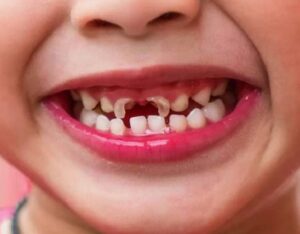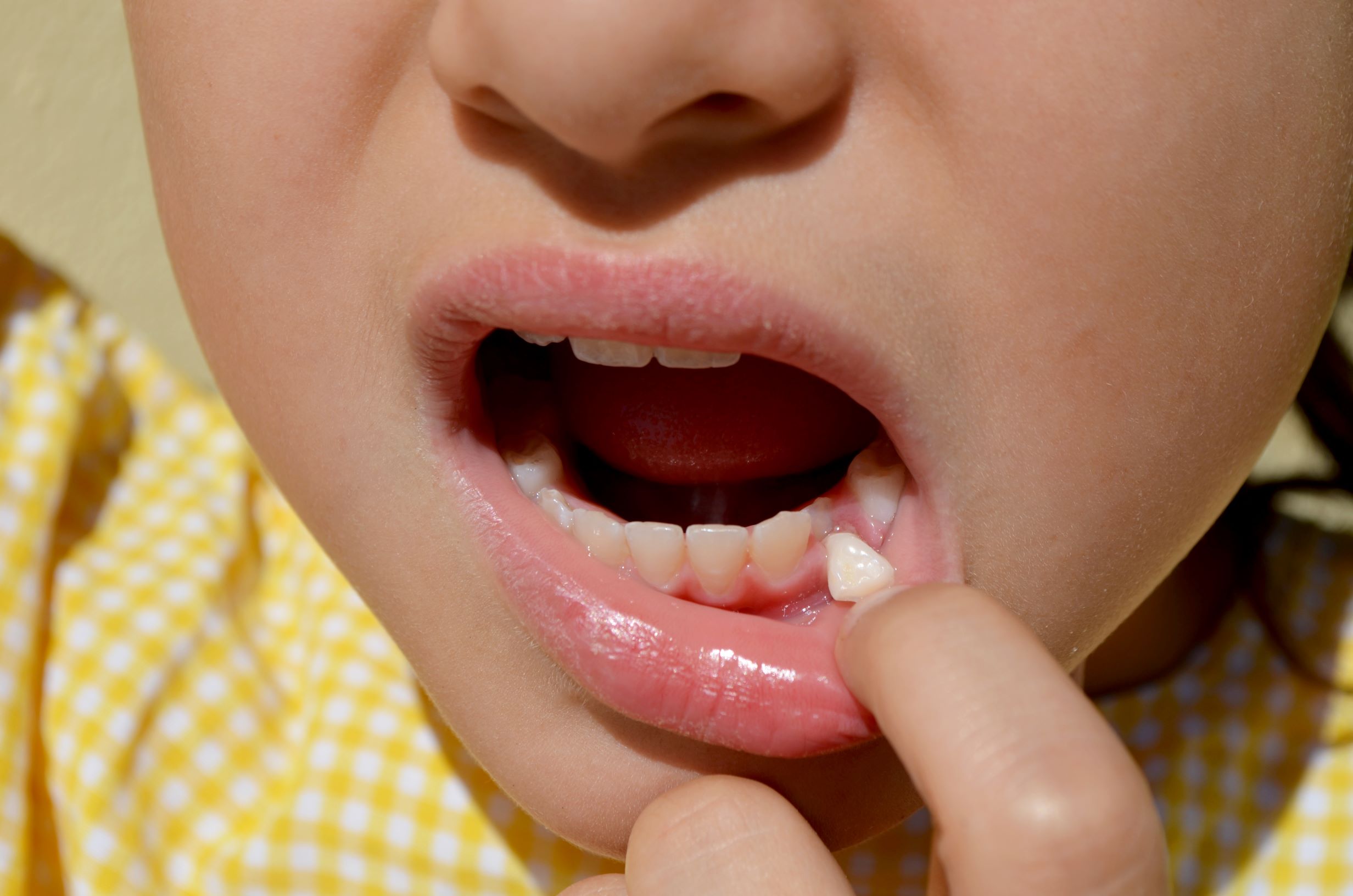
Being loose is treated as a fun event in childhood, as it is a full-blown natural event in which a child is turning out to be adult. Nonetheless, parents occasionally can observe that one of the teeth is not falling off yet is long enough sustained. This case may cause doubt and give him/her doubt whether the process is normal or whether he/she needs professional attention or not. The loose tooth that takes time to fall out is usually a normal process of dental development although there are factors which might have an impact on the duration of the process.
Knowledge of the etiology and pathophysiology of children having loose teeth and awareness of factors that can lead to a delay may lead to dental examinations that can assist parents to manage the process of oral development with ease
The Tooth Replacement-Natural Process.
At birth, children are endowed with 20 primary teeth also known as baby teeth. These teeth normally start appearing at the age of about six months and last till when one is at school. Baby teeth usually begin to be lost at the age of 6-7 though this age may vary a little with different children.The reason as to the loosening of a baby tooth is the fact that the permanent tooth under it starts to develop upwards through the jawbone. The permanent tooth progressively resorbs the roots of the primary tooth making it loose on the gums. When dissolution to the roots is enough, the baby tooth becomes loose thus falling out allowing the permanent one to settle in its place.
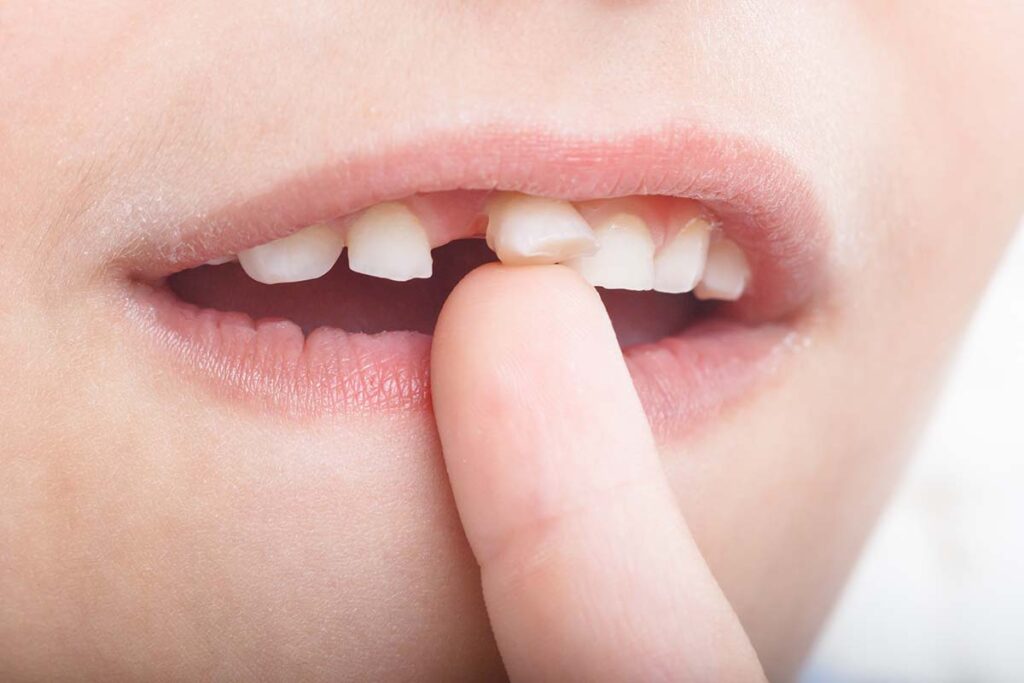
It is a gradual process and can take several weeks or even months before the tooth can gradually detach.
The Reason a Loose Tooth Will Bite for a while.
A child who has a loose tooth, and retains it a long time, does so probably merely because the root has yet not completely rotted away. The timing of the loss of the teeth can be influenced by several common aspects.
- Partial Root Resorption
In order to be pushed out naturally, the root of a baby tooth must be virtually completely burnt out by the growing permanent one. When some part of the root may not be exfoliated, the tooth might still be attached despite being in a condition that it is visibly loose. The rest of the root structure is normally dissolved away and as the permanent teeth now persists in growth, the tooth will fall off as a result of natural processes.
- Limited Natural Movement
Children always have the instinct to wiggle a loose tooth either with tongue or fingers. Light manipulation may be useful in the loosening of the remaining attachment. When the tooth is not disturbed in any way, then it may require a little time to loosen off the gums.
- Location of the Permanent Tooth.
In other cases, the permanent tooth grows slightly back or in an adjacent position to the baby tooth rather than directly underneath the latter. The baby tooth can therefore take longer to fall out in such cases than normal since the force of the permanent tooth is not uniformly placed on the root.
- Personal Disagreements in Growth.
Dental development is individual to every child. There are children who lose their teeth very easily when they are loose whereas others may have more time in transition. Differences in the development of jaws and the projection of teeth, the time of eruption, etc., may have an impact on the speed of the loose tooth falling out.
Symptoms That point to normal progression of a loose tooth.
In the majority of cases, the loose tooth that is a part of the natural process of shedding does not present pain and severe discomfort. Parents should be at a lookout to a few signs on the same which are usually indicative of the process progressing normally:
- The tooth is loosened by time and time.
- No erythema, edema, or periodontal infection and no swelling, reddening, or infection on the gum.
- The kid does not have any considerable pain during eating and talking.
- The long-lasting tooth is just coming out around.
These symptoms tend to portray a natural fall out of the tooth.
Should Parents Pull a Loose Tooth?
Parents also experience the question as to whether to extract a loose tooth though not fallen out naturally. Generally, rough eviction is not encouraged. When a tooth is not ready to be pulled out, it could result in needless pain, bleeding and damage to the adjacent gum tissue.
Rather, the children can be advised to playfully wiggle the tooth with the tongue or clean fingers. When the tooth is almost loose, it will normally loosen up with minimum discomfort and little blood.
The best way is to leave the natural process to take place.
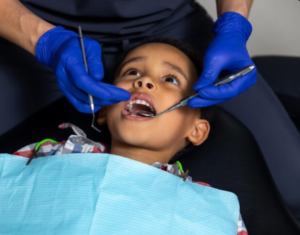
Delayed loss of teeth can be generally normal, but there can be cases where the evaluation provided by a professional is recommended. Parents need to remember that they should visit a dentist when:
- The tooth is loose in a number of months without falling.
- The child is suffering from intermittent pain or swelling of the gums.
- There is a permanent tooth that is appearing behind the loose baby tooth.
- The loose tooth causes a complex in either eating or talking.
- Infection symptoms or abnormal gum changes manifest themselves.
A dentist would determine whether the baby tooth ought to be pulled off to enable the permanent tooth to develop in a proper manner.
Oral Care at the Transition.
It is necessary to have good oral hygiene even with a loose tooth. The children are to keep on brushing their teeth with a soft toothbrush and toothpaste containing fluoride twice per day. Light brushing of the loose tooth aids in maintaining health of the near gums and avoiding the accumulation of the bacteria.
The parents are also required to make sure that children do not take excessively tough or paste-like food so that they do not damage their loose tooth. Dietary and water balance of nutrition promote the correct type of gum tissue in the stage of replacement of teeth.
Dental visits also enable the professionals to monitor the permanent teeth eruption as well as the other primary-adult-teeth transition stage to monitor whether the transition is going on as it should.
Conclusion
Loose teeth are not always a problem as often it is assumed that it is a normal process of the formation of teeth in a child. Primary teeth are replaced gradually due to the appearance of permanent teeth, which disintegrate primary teeth roots. Although it could take a matter of several weeks or months, the process is normally solved on its own avoiding any intervention.
However, monitoring the condition and seeking professional guidance when unusual symptoms appear is important for maintaining a child’s oral health. Experienced pediatric dental care providers, such as the team at Dentistry Junior, can assess the situation, ensure that permanent teeth are developing properly, and guide parents through each stage of their child’s dental growth with confidence and care.