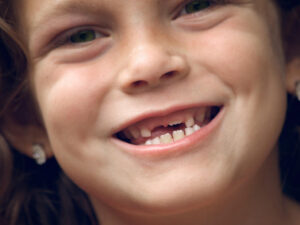
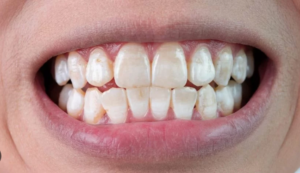
Damage to lips and tongue is somewhat regular, and especially in children and teenagers that often are busy with physical activities, sporting exercises or interact in a playful manner. These types of injuries usually happen when the teeth accidentally cut the fragile tissue during a fall, collision or one sudden impact. Although most of the injuries to the lips and tongue are mild and self-limiting, some cases might need prompt dental and medical care. The difference between a minor injury and a dental emergency is the key to understanding when it is necessary to provide appropriate care and avoid complications.
Knowing Soft Tissue Injuries in the Mouth.
Lips and tongue are tissues which are delicate and full of blood vessels. Subsequently, even minor injuries in these regions can bleed excessively and portray them as very serious as they are not. The simple accidents that may result in injuries to the lip and tongue are mainly denting when chewing, injury in sports, falls and injuries (shatters or misaligns teeth).
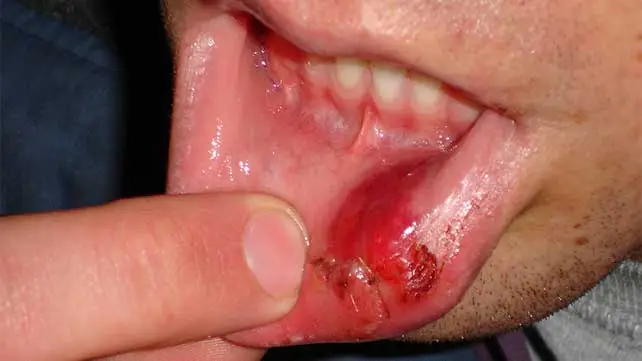
These tissues are normally able to heal fast in most cases because of the inherent healing quality of the body. Nevertheless, the injuries can also be deep cuts, too much blood, or damages to nearby buildings, and they need to be evaluated by a dental professional.
Common Injuries to the Tongue and the Lip.
Mouth injuries on soft tissues may be of different intensities. The most commonly seen ones are:
Minor Bites and Cuts
The most frequent oral soft tissue injury is that of accidentally bitten injury. These usually happen when the lips or tongue is bitten by the teeth during the chewing or a sharp movement of the jaw. Major cuts are less serious as they rarely lead to serious bleeding or any form of worsening and in most cases; the body rectifies itself in just a few days without treatment.
Lacerations
The deeper slice cuts of the lip or tongue are called lacerations that can be the result of trauma, sharp edges of teeth, or fractured dental restorations. In other cases such wounds may need stitches especially when the wound is large or it is still bleeding.
Puncture Wounds
At times, the soft tissues may be punctured by a sharp tooth or dental appliance. Though these injuries can be minimal, they can be dangerous in case they are not addressed properly.
Crush Injuries
Crush injuries could happen to the child when the child falls and between the teeth bites hard on the tongue or lip. These injuries have the potential of resulting in swellings, bruises and a lot of discomfort.
First Aid on the Lip Injuries or Tongue.
An oral injury can be controlled by timely and relevant administration of first aid to reduce pain and pain post-injury. The following steps are to be used by the parents or the caregivers after the incident:
Compose Calmly and Console the Child.
Children can get agitated when they cannot see through blood in their mouth. Assure them that everything is well and ask them to sit in an upright posture.
Control the Bleeding
Cover the affected part with a clean cloth or gauze and apply light pressure on it. Bleeding will also cease after a few minutes in most of the cases owing to the occurrence of natural clotting.
Clean the Area
Cleanse the mouth using clean water or weak saline solution. This aids in the clearing of debris and minimizes chances of infections.
Reduce Swelling
The use of a cold compress to the external part of the mouth or cheek can be used to reduce swelling and pain.
Encourage Rest
This is because the child must not touch the injured part of the body with his or her tongue or fingers which only leads to greater irritation.
What is the time when a Lip or Tongue Injury turns out to be a Dental Emergency?
Even though a number of injuries recover naturally, some body processes show the need to have dental or medical help immediately. Professional evaluation is needed in case parents observe any of the following cases:
Persistent Bleeding
Professional care is needed in case of bleeding longer than 10-15 minutes with the usage of the gentle pressure. Constant bleeding could signify a deeper laceration which requires suturing.
Deep or Large Cuts
Cuts that seem deep, wide or gaping will not heal well without the use of stitches. Deep wounds are also risky to infection and scarring.
Severe Swelling or Pain
Full swelling or sharp pain can also be a sign of a trauma or infection that a specialist should be able to diagnose.
Problem with Speech, Swallowing or Breathing.
The injuries that affect normal functioning like speaking or swallowing should be regarded as emergencies.
Associated Dental Trauma
Dental injuries which may be chipped, fractured or displaced teeth are commonly observed with lip or tongue injuries. Provided that the trauma was a result of a fall or a collision the teeth should be checked by a dentist to exclude the possibility of structural damage.
Possible Complications When Left untreated.
Most oral injuries small injuries can be cured easily, though severe injuries when left unattended may result into complications. Those may be infection, excessive bleeding, the formation of a scar, or damage to the surrounding teeth and tissues. There are also some isolated instances where oral speech or mouths may be affected by untreated wounds.
Early work examination makes sure that the wound heals on time and minimizes the chances of having long-term issues.
The Prevention of Lip and Tongue injuries.
Although accidents cannot be avoided at all times, some measures that prevent them may help considerably decrease the probability of oral hurt. Mouthguards used by children in sports need to be custom fit and they have been shown to offer protection against dental trauma and soft tissue injury.
A parent must also make sure that sharp or broken teeth are promptly addressed since unnatural tooth surfaces might predispose one to accidental bites. Periodical dental examinations are significant in discovering the possible risk factors and overall oral health.
Conclusion
Injuries on lips and tongue are frequent occurrences especially to active children. Most minor injuries can be treated using simple first aid and a few that cannot be treated naturally, including excessive bleeding, deep cuts, severe swelling, and related dental injury, present an immediate concern to the doctor. It is important to identify the symptoms of a dental emergency in order to prevent complications and respond to the situation timely.
Visiting qualified dentists who can help diagnose and treat oral wounds timely can help avoid complications and additional harm to the human body. At Dentistry Junior, we are set to handle dental trauma and soft tissue injury with specific attention and care and enable children to recover safely without harming their oral health in the long-term.