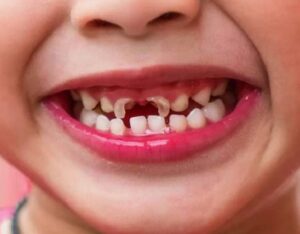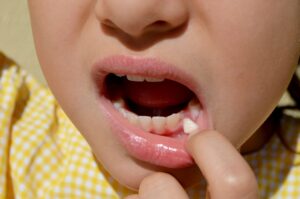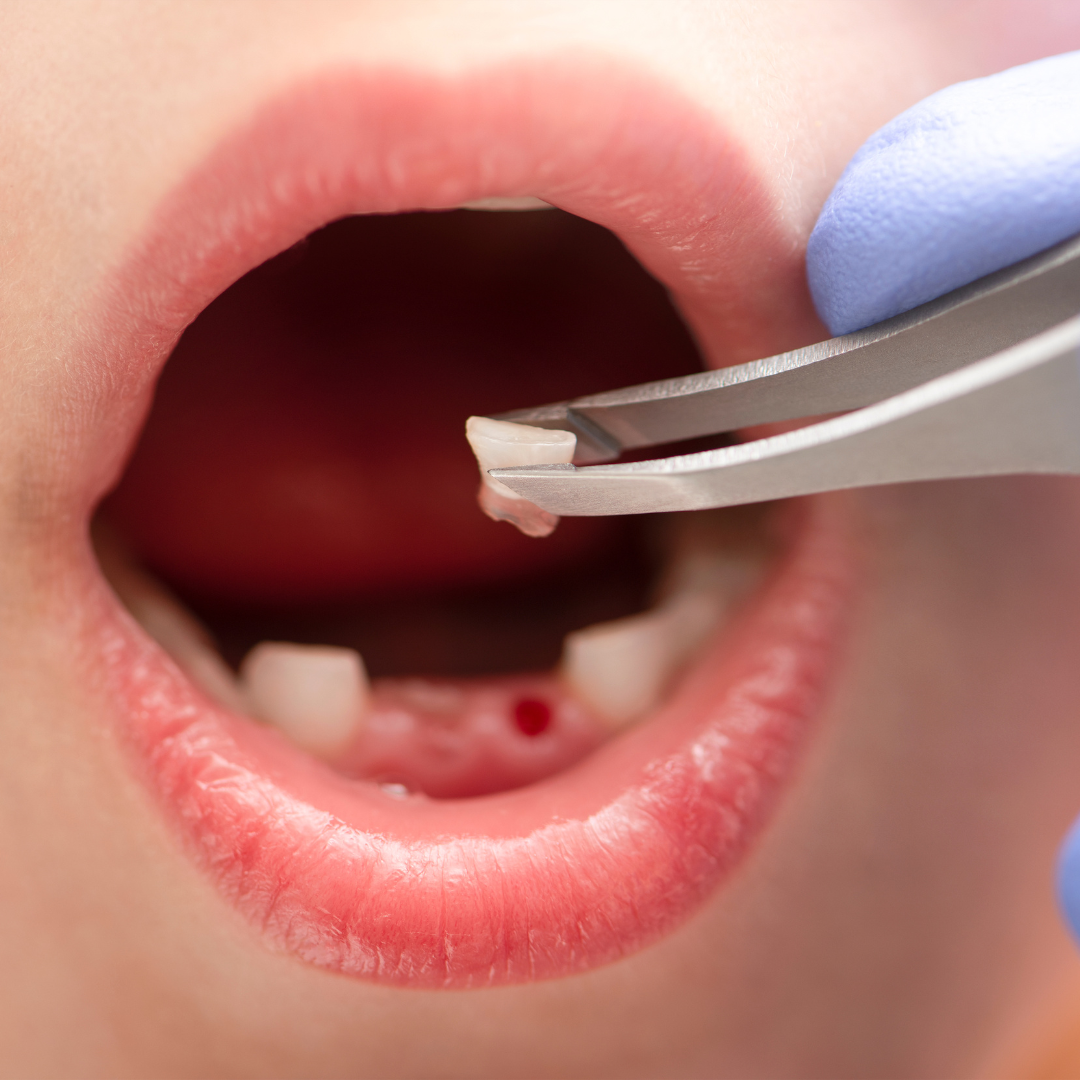
Loss of baby teeth is a natural and significant stage in the growth and development of a child. Despite the excitement it will bring to a child and the curiosity that it will bring to parents, it is also a necessary step in the development of the mouth as it will prepare the mouth to house the permanent teeth. Knowing the approximate age of when baby teeth fall out, in which sequence they fall out, and what parents should anticipate in this process, it is possible to approach the issue with confidence and proper care.
Primary teeth or baby teeth have a number of purposes. They assist children to chew food well, aid in the clear development of speech, and retain room for permanent teeth. Since these teeth determine the right placement of adult teeth, healthy release and natural loss of these teeth is critical to oral health in the long term.
Brief History of the Baby Teeth.
The majority of children have matured in a complete number of 20 primary teeth at the age of three. They take several years to stay in this position after which the teeth become loose and fall out to allow permanent teeth to replace them.
Loss of the baby teeth is a process that usually starts at about the age of six years of age and ascends to a period of about 12 years of age. It should be noted however that all children develop at a pace that is slightly different. There is a risk that some children will lose their first tooth at a relatively young age, whilst others will start losing them at a later age with no reason to worry.
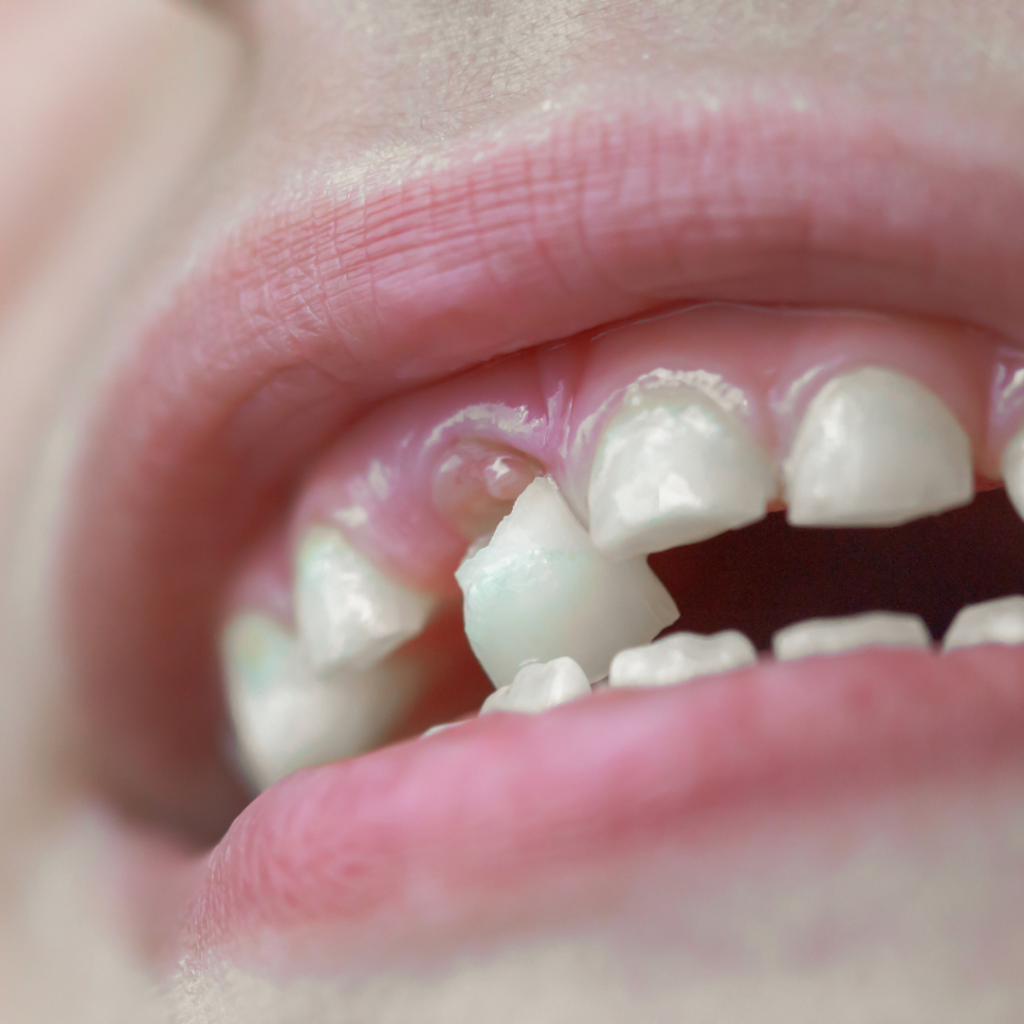
It is because the permanent teeth develop under the baby teeth that cause them to fall off. The permanent tooth starts to form and it starts to weaken the root of the baby tooth as it grows. When the root has gotten weak enough, then the baby tooth becomes loose and it falls out on its own.
The Normal pattern of losing teeth.
Even though each child might have a different sequence of falling teeth, the baby teeth tend to come out in the same sequence of their emergence. The most widespread order consists of the following:
Incisors Lower (Approximately 6 7 Years old)
They are the teeth which normally fall out first. These teeth are found midway in the lower jaw and they are usually substituted by permanent incisors soon after they have been lost.
The incisors are more prominent on the upper part of the central and are located on either side of the mid-line (Around Ages 67).
Soon after the lower front teeth have been lost, it is likely that the upper front teeth will start getting loose and falling off.
On the upper and lower incisors, stalemate appears as a result of interdental contact between the maxilla and mandible in higher primates.<|human|>Upper and Lower Incisors (Approximately 7-8 Years Old) Stalemate occurs between the maxilla and mandible at the interdentation of the upper and lower incisors in higher primates.
Such teeth are found adjacent to the central incisors. The dislocation of their loss enables the permanent lateral incisors to protrude and fill the front part of the smile.
First Molars (Around Ages 9–11)
The first molars are found more behind in the mouth and they are used to chew and grind food. These teeth tend to lose their places at a later stage during transition.
Canines (Around Ages 9–12)
Canines or cuspids as they are sometimes called are somewhat critical in biting and in setting the orientation of the other teeth.
Second Molars (Around Ages 10–12)
Such are the last baby teeth to be lost. When they are changed, majority of the children will be left with almost a complete set of permanent teeth.
Indications that a tooth of the baby is almost ready to fall off.
Tooth loss normally starts with eminent loss of the tooth. Children can experience the movement of the tooth when they touch it or when eating. As time goes by the tooth becomes even looser as the root continues to decompose.
Another sign that may be noticed by the parents is the swelling of the gum surrounding the tooth, or the formation of a permanent tooth that is coming out behind the baby tooth or under it. Such symptoms normally show that the process of shedding is natural.
Baby teeth in the majority of cases fall out painlessly. Mood swings may arise because the tooth becomes loose although this is usually temporary.
Should Parents Pull out a Loose Tooth?
A loose tooth in the baby should be expected to come off. To help the process, it may be encouraged that children wiggle the tooth gently with a tongue or clean fingers, but should not pull the tooth violently.
Early tooth removal can be unnecessary that can result in bleeding or discomfort. The natural fall out of the tooth will make the underlying permanent tooth to be prepared to develop.
In case a tooth is especially loose and that period is quite long and causes great discomfort, a dentist may consider the need to remove it.
Tooth Fall Out: What to Expect.
A baby tooth losing its tooth socket is normal and a little amount of bleeding occurs. This usually ceases after a few minutes. To help stop bleeding, the parents can request the child to bite a clean cloth or piece of gauze slightly.
The permanent tooth starts showing in most instances immediately after loss of the baby tooth. The new tooth might not erupt fully in several weeks or months though.
Good oral hygiene should be maintained at this stage. Children must keep brushing 2 times daily using fluoride toothpaste and learn to floss when the permanent teeth begin touching.
When to Consult a Dentist
In spite of the fact that loss of baby teeth is basically a normal developmental process, there are cases that might necessitate professional examination. Consultation with a dentist is required when:
- One of the teeth of a baby is lost not because of looseness, but through trauma.
- The emergence of permanent teeth is much late following tooth loss.
- One of the teeth that will not be replaced by any other tooth is a baby tooth.
- The tooth has pain, swelling or infection.
Early diagnosis can make sure that any possible problems in the development of teeth or their position can be resolved in time.
Conclusion
The fact that the baby teeth gradually lose their teeth is significant in the oral development of a child. This natural stage begins when one is between six years of age and during the early teenage stage, and it enables permanent teeth to form and the basis of the healthy adult smile. Parents can make children successfully pass this transition knowing what to expect and what to avoid by understanding the general schedule of it.
Dental check-ups are also necessary during this age to check the teeth development as well as healthy eruption patterns. There are also children-centered clinics like the Dentistry Junior, which offer professional advice and preventive services that assist children and parents in all the dental growth and development stages.