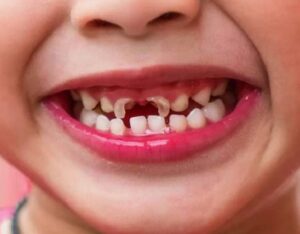
Thumb sucking is the popular behavior of infants and young children. It is usually regarded as a natural self-soothing regime, which makes children feel safe and relaxed especially when they are stressed, fatigued, or bored. Although this habit is generally not harmful to the development of a child in the early stages of life, in the long run, the oral development of the child can be affected due to prolonged thumb sucking. The concept of the awareness of the occurrence of the thumb sucking into the dental issue is significant to the parents, who want to safeguard the oral health of their child in the long-term.
The reasons behind Thumb Sucking in children.
Thumb sucking is a natural behaviour, it starts even at birth. Prenatal ultrasounds show a lot of infants sucking their thumbs. This behavior may persist after birth and become a comforting mechanism which would assist babies to relax and fall asleep.
Thumb sucking in the majority of instances actually reduces as a child grows older and acquires alternative coping strategies. A number of children automatically quit the habit between the age of two and four. At these tender ages, dental issues are seldom experienced as a result of thumb sucking as the teeth and the architecture of the jaws are still growing and are usually in a state of resistance to the short term pressure.
Nevertheless, when the habit continues beyond the early childhood period especially when permanent teeth have started developing, it could initiate to have an impact on the alignment of the teeth and also on the development of the jaw.

Thumb Sucking Becomes a Dental Problem.
The biggest issue with thumb sucking is observed when the habit is not stopped at the age of five or six, when a permanent tooth starts to develop. The constant force applied by the thumb on the teeth, gums and palate may introduce disruption to the natural development and positioning of the mouth at this stage.
Dental changes are usually dependent on a number of factors such as the frequency of child sucking thumbs, the intensity of the thumb placement into the mouth and length of time the child sticks to this habit in a day. Those children that suck their thumbs actively or over a long period of time can have more pronounced changes of the dentures.
Possible Dental issues brought about by Thumb Sucking.
Constant thumb sucking is capable of influencing a number of oral developmental factors. Misalignment of the front teeth is one of the most widespread dental problems related to such type of habit especially when upper front teeth start sticking out.
The other possible issue is the possibility of creating an open bite, which will be the situation when the upper and lower front teeth fail to meet when the mouth is closed. This will disrupt normal chewing and will lead to orthodontic treatment at an advanced age.
It is also possible that thumb sucking can affect the shape of the palate which is the roof of the mouth. The constant thrust of the thumb can lead to the palate being narrower and this can lead to the placement of teeth and the general shape of the jaw.
There are also instances that the long-term sucking of the thumb can also cause speech problems, especially when there is a change of dental structure or palate configuration.
Indications That Thumb Sucking is Dental Developmentally Impacting.
It is the responsibility of parents to keep track of the oral progress of their child and observe when the sucking of the thumb results in any dental issues. A few of the indicators include the apparent alteration of the position of the front teeth, the inability to close the mouth correctly, or apparent changes in the bite.
Also, in case the child keeps sucking the thumb after the age of five or six, then it might be well to have the dentist examine the case. Possible problems may be discovered at a young age, which will allow addressing more complicated issues in the future.
Thumb Sucking and How to Help Children Quit.
The habit of thumb sucking takes a long time to develop and may need patient reinforcement. Since most of the time the behavior is related to comfort and emotional safety, it is important to be manipulative of the process without applying punishment.
The parents can start by identifying those circumstances where the child is likely to suck his/her thumb e.g. during bedtime or when watching the television. Providing some other comfort, e.g., a favorite toy or a blanket can help decrease the use of thumb sucking.
Positive reinforcement may work, also. It can also be encouraged by raising the child on the days when they do not suck the thumb at daytime and when the child starts improving the behavior gradually. Other families have been successful and they have devised little reward systems to acknowledge progress.
When the habit persists, the dentists might prescribe behavioral therapy or use of protective dental devices that deter thumb sucking.
The contribution of Dental Professionals.
The dental professionals are also significant in detecting the early signs of changes in the mouth caused by the sucking of thumbs. Dental checkups will enable the dentists to check the development and positioning of the teeth and jaws of a child.
In case of need, the dentist will be able to give specific instructions on the methods of stopping his/her habits and define whether some preventive steps have to be taken. Early interventions play vital roles especially in avoiding the long-term orthodontic complication.
In most instances, the child just needs to quit the thumb sucking habit and the teeth and jaw structures will slowly be able to move back to their original positions as the child keeps growing.
Early Childhood Preventive Dental Care.
Besides overcoming the thumb sucking behavior, it is necessary to observe high levels of oral health behavior among the children in order to maintain good dental health. Parents are advised to brush their teeth with two times in a day with fluoride toothpaste, and children must go to the dentist regularly.
Healthy teeth can also be achieved through a balanced diet reducing the intake of sugary snacks and increasing the consumption of food friendly to the teeth. These precautionary measures are used to produce a condition whereby the teeth of children can develop and position themselves accordingly.
Conclusion
Thumb sucking is a normal behavior that brings a lot of comfort to most young children and in most instances the habit goes out of its own during the early childhood stage. But in cases where the habit is continued in the later years, it may affect the alignment of the teeth, the development of the jaw and the functioning of the mouth. By being aware of the symptoms of long-lived thumb sucking, it will be possible to treat the habit at an early age and avoid potential future complications with dental issues.
Periodic visitation to the dentist is a crucial part of checking the oral development of the child and counseling when such habits start influencing the teeth formations. At Dentistry Junior we are pediatric oriented, provide professional assistance and preventive dental services and make sure that children grow with healthy teeth and perfectly aligned smiles.