One of the best solutions to long term dental health protection is proper oral hygiene habits developed during childhood. Brushing of the teeth is very essential in the prevention of cavities, gum disease and plaque. Nevertheless, children are not always cognizant and skilled enough to brush their teeth independently. To this end, parental education and age-related education are necessary when it comes to ensuring that children learn to brush properly as a habit.
Children should be taught to brush their teeth; not once, but in a gradual manner, which continues to develop with the child. The knowledge about what children need to brush at each stage of their development will help parents to be more helpful to their children and make oral hygiene their daily routine.
Significance of Oral Hygiene Education at an early age.
Dental caries are among the most prevalent chronic illnesses in children. It is mainly caused by the build-up of plaque, which is sticky and forms an accumulation of bacteria on the teeth. Combining plaque with food sugars results in the formation of acids that cause the weakening of tooth enamel and cavities.
Regular brushing is beneficial as it aids in the removal of plaque, the strengthening of the tooth enamel, and the creation of a habit which will be followed throughout the life of the adult. When taught the correct brushing methods early in life, such children are likely to have a good oral health at later stages in life.
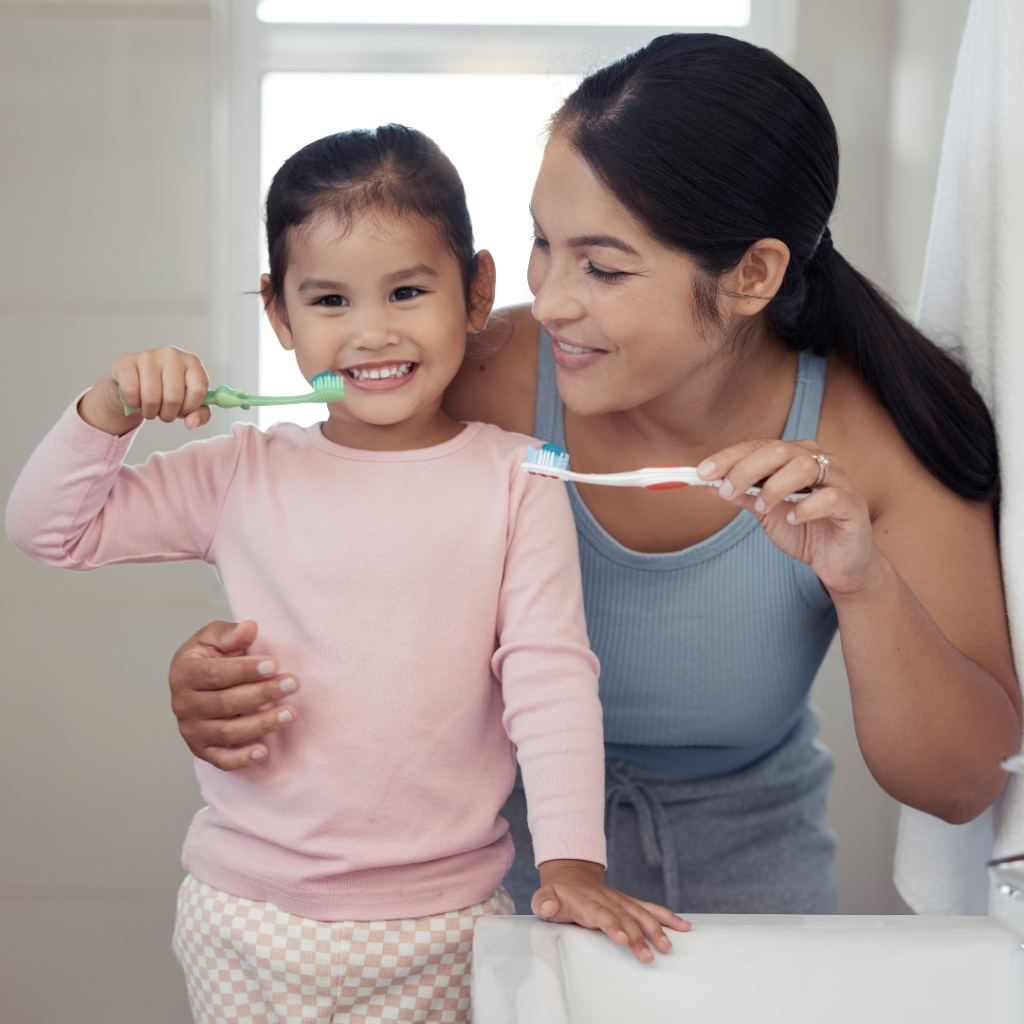
Guidance of Infants (0-2 Years): Brushing.
It is the care of the mouth that starts well before the first tooth of the child is erupted. In infancy, the parents ought to wash the gums of the baby with a soft and damp cloth or gauze after feeding. This assists in getting rid of milk residues and avoiding bacterial accumulation.
After the first tooth emerges, usually at age six months, parents must start cleaning them with a soft-bristled baby toothbrush and a thin smear of fluoride toothpaste. The brushing must be done twice a day, in the morning and the evening before a good sleep.
At this period of age, children completely rely on parents to provide oral care. The cleaning movement must be soft and that all surfaces of the teeth and gums are removed. This routine is better established early when the children would get used to oral routine routines.
Brushing Instructions to Toddlers (2-5 Years of Age)
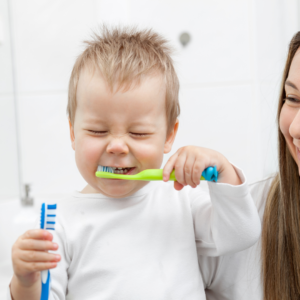
Toddlers start becoming curious and seeking independence as they grow up. Although children of this age might desire to brush their teeth on their own, the supervision of a parent is essential.
Children above the age of three years should be given a pea size of fluoride toothpaste. Parents are supposed to show the procedure of brushing of the teeth so that every part of the mouth is clean, front, back, and chewing surfaces of the teeth.
At this age, it is significant to teach children the correct way of brushing their teeth. The toothbrush must be oriented at an angle of just below right away to the gumline, and the tooth bristles should be used to clean each tooth in circular motion. The time taken to brush should be about two minutes.
Children should also be taught by their parents to spit toothpaste instead of swallowing although small portions of it are not uncommon at this age.
Tooth Brushing Instructions to School-Age children (6-12 years).
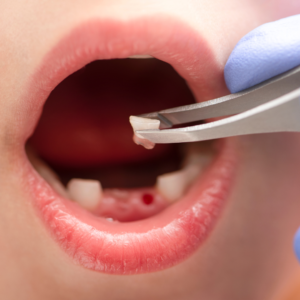
The primary and permanent tooth is usually a combination of both primary and permanent teeth amongst the school-age children. This is a very critical period in terms of oral hygiene since new permanent teeth can be vulnerable to cavities.
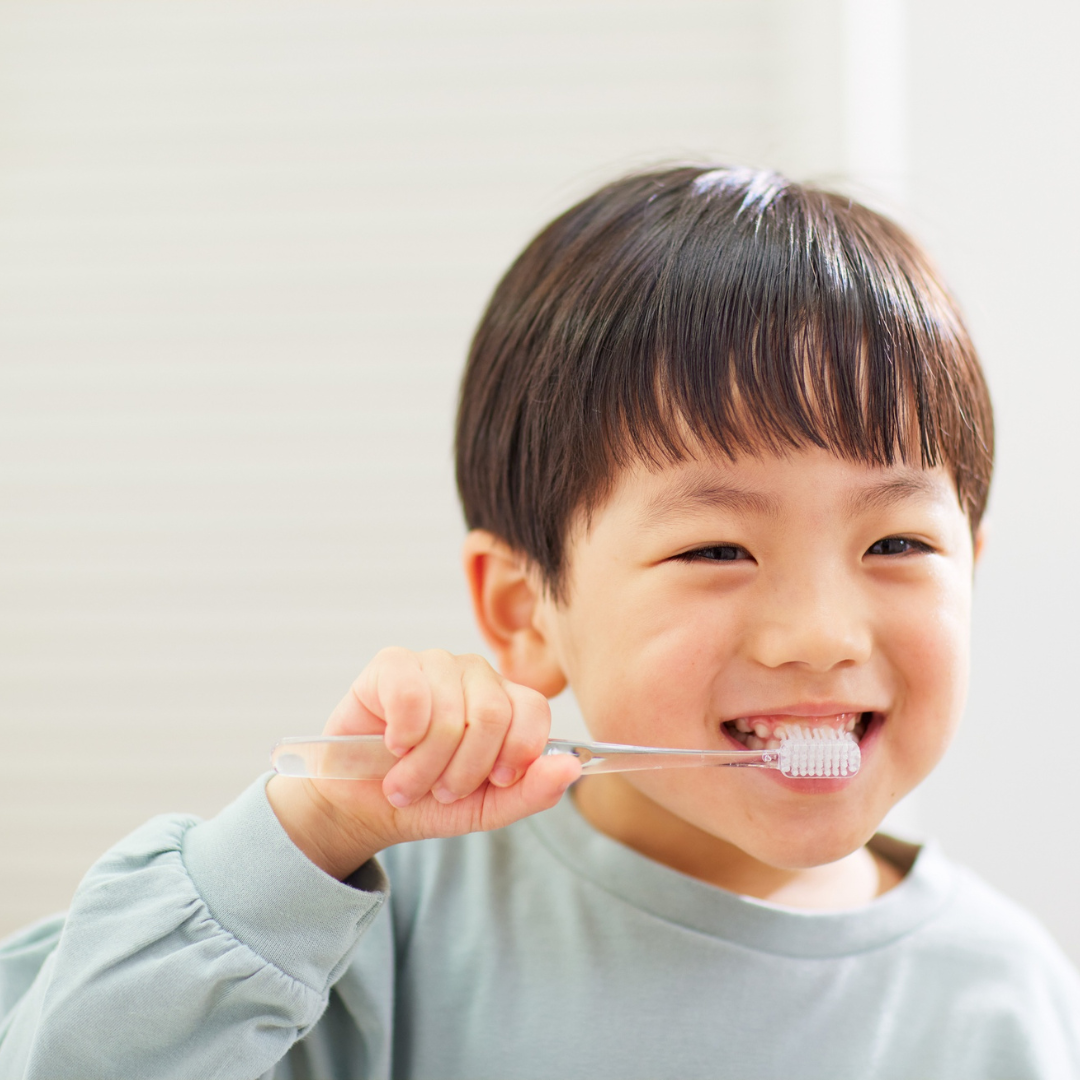
Children at this age are expected to brush their teeth twice a day not less than two minutes with fluoride toothpaste. They can brush on their own, but once in a while, it is important that parents observe as they brush to make sure that they are doing it correctly.
Teaching children to brush in a pattern is a good idea, i.e., one can brush the teeth at the back first and slowly move towards the front. This also makes sure that there are no shreds of chance. The posterior molars should receive special attention as food particles and plaque tend to be stored there.
Flossing must also be introduced by the parent when the teeth of the child start touching. Flossing will assist in cleaning the places that the toothbrush is unable to get.
Promoting Correct Brushing of Teeth.
It could be very necessary to be creative when teaching children how to effectively brush. Certain viable measures that parents may apply are:
Going through the Proper Technique.
Children tend to learn through observation. Parents can also brush their teeth along with their children to show them the right way to brush their teeth.
Applying Child-Friendly Dental Products.
Small headed toothbrushes that have soft bristles work best with children. Bright brushes or the ones with favorite characters can be used regularly.
Keeping up with a regular Schedule.
The child should have the habit of brushing his teeth especially after eating in the morning and before sleep at night. Regularity assists in making brushing a life time routine.
Positive Reinforcement
Praise or minor rewards to children can be used as a way of encouraging them to brush on a regular basis and in the right manner.
Top Five Brushing Blunders.
Regardless of the intentions, some errors may decrease the efficiency of brushing. They are brushing too fast, using too much pressure, not attending to the tongue or not brushing at night.
The parents must also make sure to replace the toothbrushes after three to four months or earlier when the bristles are worn out.
Purpose of Periodontal check-ups.
Dental check-ups are also a part and parcel of preventive oral care. Dentists use professional tests to detect early signs of cavities (caries) and monitor the development of permanent teeth. These tests also allow them to provide advice on improved brushing techniques to prevent the formation of new cavities.
Regular visits to the dentist would also make sure the children are comfortable in the dental environment, reduce the sense of fear and instill positive attitudes towards dental care.
Conclusion
Among the earliest things to be taught to children concerning their lifetime oral health is learning how to brush their teeth. The intervention of parents can in fact play an essential role in avoiding dental issues in children by offering age related advice, overseeing the tooth brushing routine at an early age and by enforcing the routine to be a habit among the children.
Dental counseling (professional) to aid in maintaining these daily habits is also essential. Dental clinics targeting the children like Dentistry Junior are significant to educate, check the oral development of the children and provide the young patients with the preventive care to maintain the healthy smiles throughout childhood and even later.