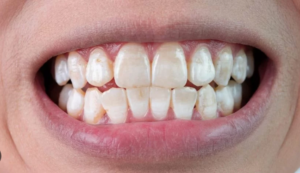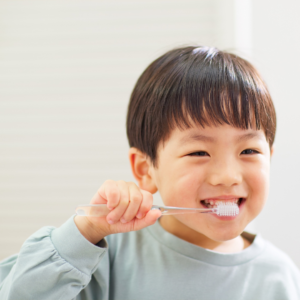
Dietary habits of children are a major determinant of oral health in children. Although brushing and dental check ups are vital, the meals that are taken by children between meals can have a significant impact on the health of the teeth and gums. Most of the snacks sold to children contain a lot of sugar and carbohydrates which are refined which help in the formation of cavities. Nonetheless, choosing snacks that do not harm teeth can assist in safeguarding the enamel of teeth, minimize the accumulation of plaque, and maintain good tooth growth.
As a parent, it is a valuable process to learn what types of snacks will support oral health and help avoid dental issues and promote healthy lifelong habits.
The Relationship between Snacking and Dental Health.
The major factor that causes the decay of the tooth is the change of the oral bacteria in contact with the sugar in food. When the children eat snacks that contain sugar or starch, the bacteria in the mouth decompose the products and generate acids. These acids gradually destroy teeth enamel causing cavities.
Increased snacking may also be an additional factor that leads to tooth decay due to the exposure of the teeth to repeated attacks by acid over the day. This can be reduced by selecting snacks that contain a lot of low sugar and do not harm the teeth as well as giving the children the energy they require to grow and be active.
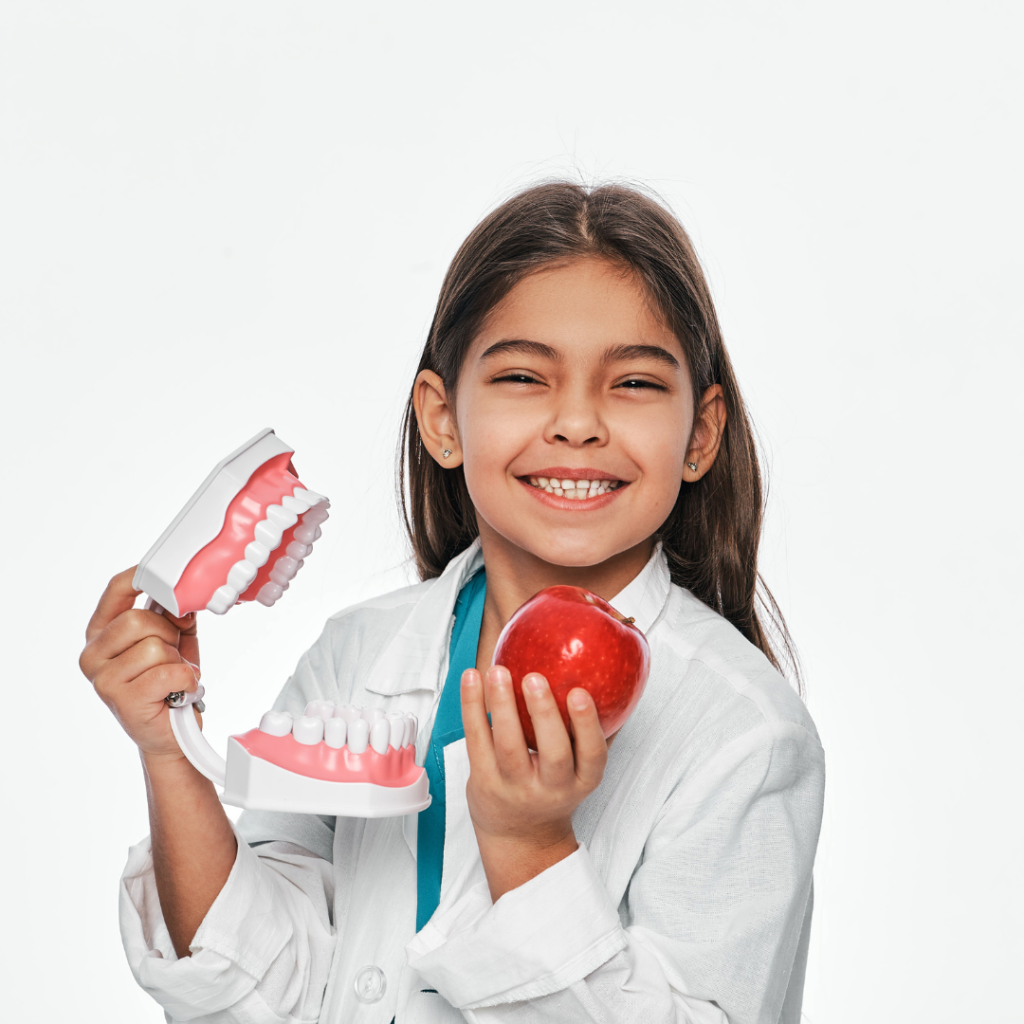
Tooth-Friendly Snacks Characteristics.
Healthy snacks which are beneficial to the health of the teeth usually have some common characteristics. They contain very little added sugar, are good sources of vital nutrients including calcium and phosphorus and can induce secretion of saliva. Saliva is also useful in neutralization of acids, cleaning food particles and enamel of the tooth.
The firm and crunchy snacks also have a way of cleaning the teeth surfaces gently and hindering the growth of plaque. Parents have a role to play, by including these foods in the daily diet of the child, they will have helped in both oral and general health.
Fresh Fruits that are good to maintain oral health.
When eaten in a natural state, fruits can serve as a very good snack among the children. High water levels and fiber are found in apples, pears, and watermelon and they assist in stimulating the production of saliva and cleansing the mouth.
Apples, being known as a toothbrush of nature, demand chewing which increases the flow of saliva, which curbs bad bacteria in the mouth. Pears and watermelon are also good hydrates, and they contain vitamins that help in keeping the gums healthy.
Although fruits do have natural sugars, fruits contain fiber and water which contributes to lowering the chances of long-term exposure to sugar over sticky or processed snacks.
Vegetables To Clean Your Teeth.
Veggies like carrots, cucumbers, and celestial vegetables are the most useful to the mouth. These vegetables are hard and need much chewing that further triggers the production of saliva and removes food debris in the teeth.
Carrots contain vitamin A that helps in maintaining healthy teeth enamel. Celery is rich in water and fiber which can be used to clean the teeth surfaces. Cucumbers are hydrating and contain nutrients that are effective in maintaining gums.
Raw vegetable snacks not only help in protecting the teeth but also help children to develop healthy eating habits.
Solid Toothpaste.
Dairy products are one of the best beneficial snacks used in protecting the teeth of children. Calcium and phosphorus in milk, cheese and yogurt are key minerals in enhancing the enamel of teeth.
Cheese in its specific case is known to neutralize acid in the mouth and stimulate the production of saliva. Low added sugar yogurt offers good bacteria that help to keep the mouth healthy and still contains vital nutrients.
The addition of dairy-based snacks to the food intake of a child can go a long way in making his teeth stronger and more resistant to cavities.
Nuts and Protein-Rich Snacks
Nuts like almonds and walnuts give the body valuable nutrients like calcium, protein and healthy fats. These are the nutrients that promote the growth of teeth and the healthy gums.
Snacks that contain high levels of protein like boiled eggs or un-sweetened nut butter could also be useful alternatives to sugary snacks. These are alternatives that can be used to stabilize the level of blood sugar and minimize the possibility of having frequent sugar cravings that can result to poor snacking habits.
Nevertheless, the snacks provided to children should be age-related and safe, particularly to younger children who can be unable to grind some types of food.
Snacks to Limit or Avoid
Although there are foods that can be helpful in maintaining the oral health, some snacks are known to pose a high-risk to oral health. Sticky sweets, candies, cookies that contain sugar, processed snack foods and caramel are foods that stick on teeth and stick in mouth over long durations.
Sweeter drinks such as sodas, flavored juices are also primary contributors to the decay of the teeth. The drinks cause exposure of teeth to high amounts of sugar and acid that undermines enamel in the long run.
Achieving a good oral health result among a child can be significantly enhanced with a reduction in the number of such snacks and promotion of healthier options.
Sensible Childhood Snacking.
Along with choosing healthy snacks, it is also necessary to make appropriate habits of snacking. Parents ought to have a point in which they would want to offer snacks instead of letting the child graze the whole day. This assists in curbing the instances of acid attacks on tooth enamel.
Children should be promoted to consume water following snacks that will cleanse food particles and keep the mouth clean. It is also important to stay on a regular routine of brushing teeth twice a day with fluoride toothpaste as a measure of keeping teeth clean.
The importance of Preventive Dentistry.
Eating habits are also vital in warding off dental complications, yet expert dental treatment is also significant. Regular check-ups make dentists track the progress of the child as far as oral development is concerned, detect early signs of cavities and preventive treatments are provided by the dentist where needed.
The dental workers may also provide parents with nutritional advice, dental care practices and measures to limit the risk of children developing tooth decay.
Conclusion
Good dietary practices in snacks can greatly impact the health of the child in terms of teeth. The parents can fortify the tooth enamel, increase the saliva level, and diminish cavity risk by consuming foods rich in nutrients, including fresh fruits, vegetables, dairy products, and snacks that contain protein. Meanwhile, the consumption of sweet and sticky food can be restricted, which will help avoid the destruction of growing teeth by the harmful bacteria.
Together with the correct brushing and regular visits to dentists, a healthy diet will help to create strong and healthy smiles. Dentistry Junior emphasizes preventive oral care, recognizing the significant role children play in helping their families adopt routines that ensure optimum dental health from a young age.