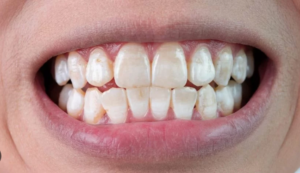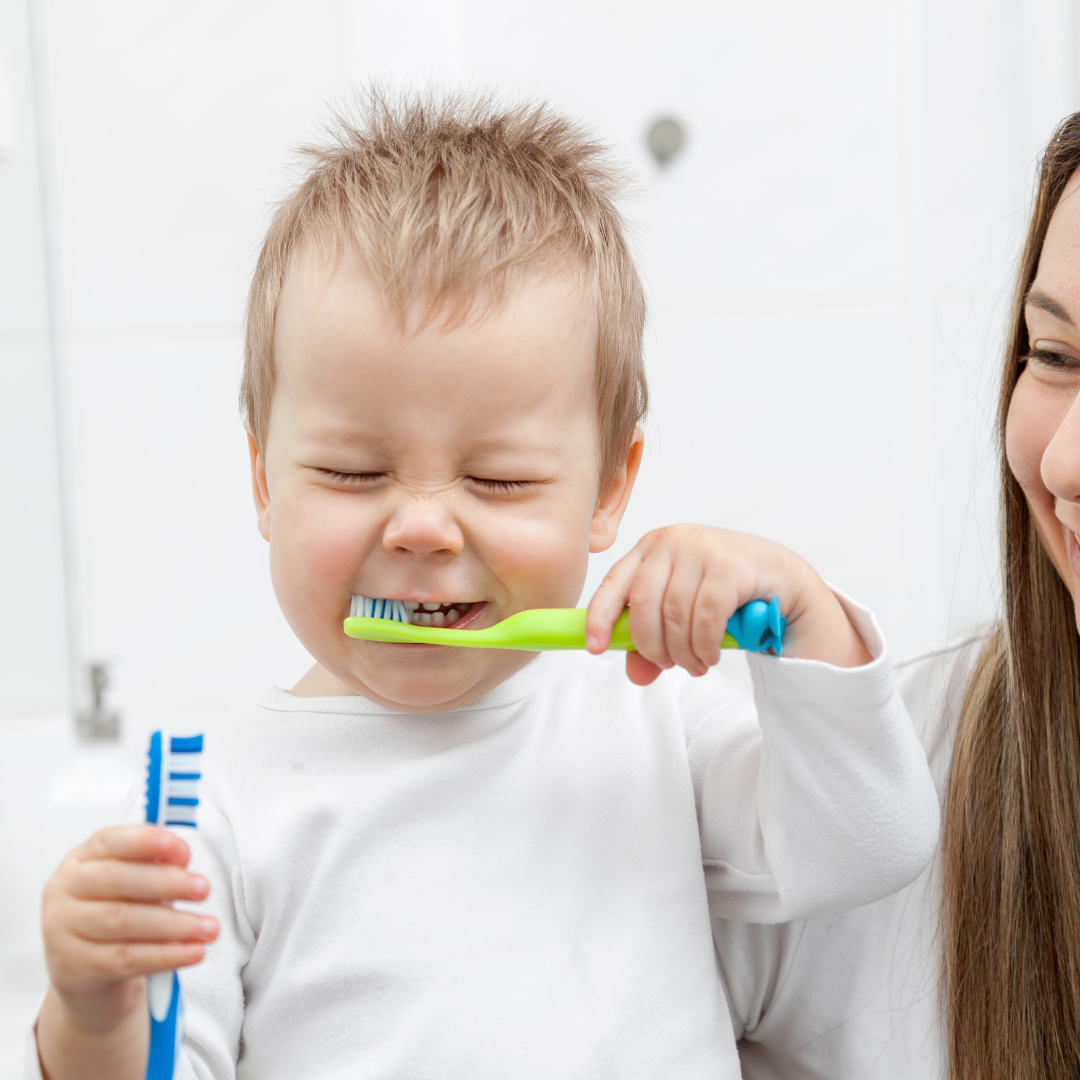
Early childhood oral health is critical in cavity prevention, maintaining the developing teeth, and creating a lifetime period of dental practices. Of the numerous factors that affect the oral health of children, the choice of the appropriate toothbrush and toothpaste is a very important aspect. Due to the greater sensitivity of the teeth and gums of the children compared to the ones of adults, dental medical practitioners advise age-specific oral care items tailored to the young consumers.
Parents are usually left baffled by the request of toothbrushes and toothpastes in the market. Knowledge of what dentists prescribe may enable families to make wise choices to ensure healthy teeth.
Why Choosing the Right Oral Care Products Matters
The teeth of children have many differences with the teeth of adults in enamel thickness, sensitivity, and development level. Poor brushing equipment or incorrect toothpaste compositions could also result in failure to remove plaque, damage of the enamel or overconsumption of fluoride.
Dentists thus suggest using oral care products of an age specific, soft on the gums and able to put off the plaque. These products, when taken properly, can be used to curb the chances of tooth decay which is one of the most prevalent chronic health conditions in children across the world.
Dentist-Suggested Advice on Selecting the perfect Toothbrush.
A kid friendly toothbrush must promote good cleaning and also be comfortable and safe to use.
Soft Bristles
Soft bristled toothbrushes are always prescribed by pediatric dentists. Fine brushes help clean the plaque effectively and prevent loss of young enamel as well as irritation of the sensitive gums. Gum can be destroyed or abrasion can occur to the enamel when hard bristles are overused.
Small Brush Head
The mouth of children is also smaller in size and therefore it is important to select a toothbrush that has a small brush head. A smaller head enables the brush to penetrate every part of the mouth including the back molars which are usually hard to reach.
Comfortable Handle
To have good grip during brushing, a toothbrush with non-slip or ergonomic handle is used to enable children to brush their teeth. This is especially necessary to younger children who are yet to master fine motor skills.
Age-Appropriate Design
The toothbrushes are normally branded based on age groups of; infant, toddler, or school-age. Pediatric dentists suggest the use of finger-slip toothbrushes or small baby brushes among toddlers younger than three years of age and then slowly increase the size of the brushes to a little bigger as the child matures.
Electric vs. Manual Toothbrushes.
Both manual and electric toothbrushes may work at all in case they are used properly. Electric toothbrushes can be useful when the children have problems with the method of brushing their teeth: they offer the same movement and have built in timers. Nevertheless, supervision on the part of the parents is always necessary despite the nature of the toothbrush.
Advice by Dentists on which Toothpaste to use.
The choice of toothpaste is also crucial, especially in consideration of the fact that kids can swallow little when brushing their teeth. The following are some of the factors that dentists normally give when selecting toothpaste to use by kids.
Fluoride Content
Dental professionals are also highly encouraged to use fluoride in order to enhance the strength of the tooth enamel and prevent cavities. Toothpaste which includes fluoride is a great way of preventing tooth decay.
The dosage of fluoride administered would be adequate to the age of the child:
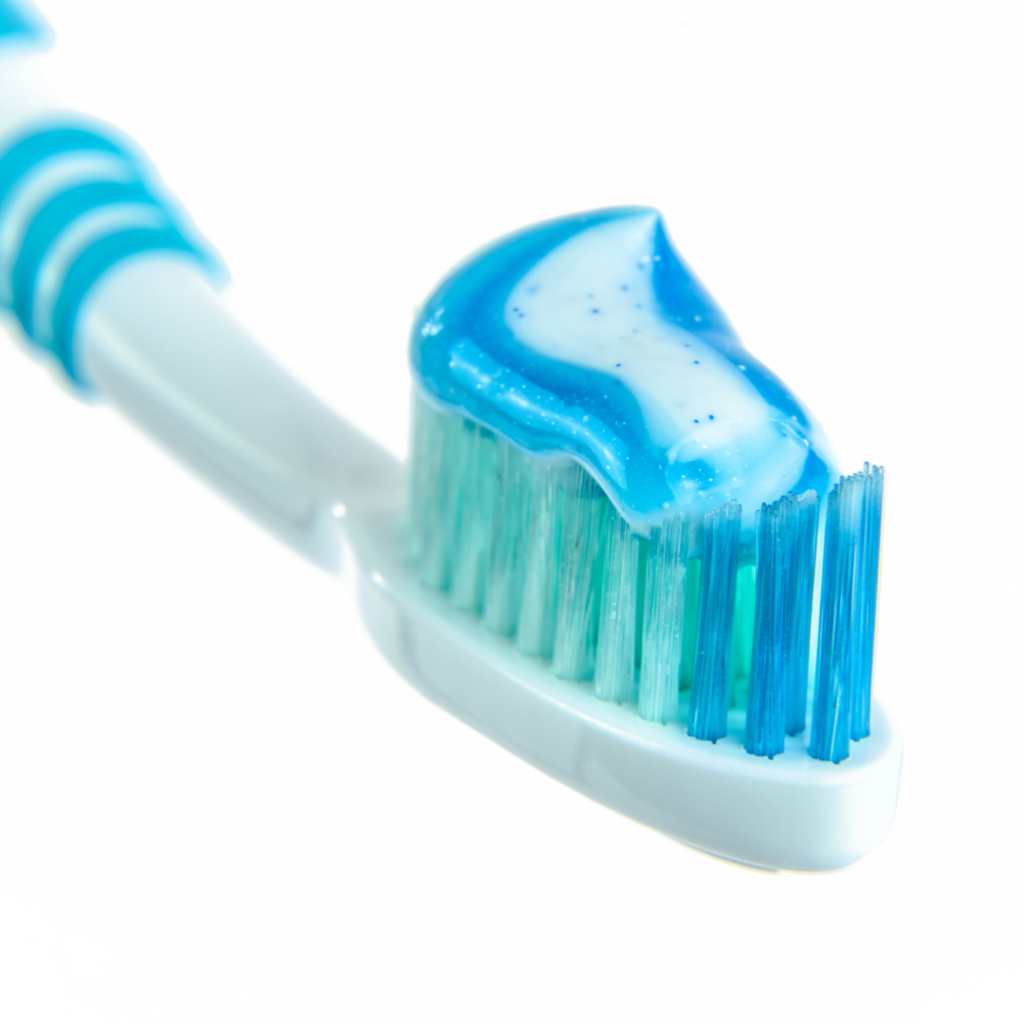
- Children aged below 2 years: Toothpaste of smear or rice-grain size.
- Children 3 years-6 years: Toothpaste amounting to the size of a pea.
Such dosage guidelines assist in achieving the desired effects of cavity prevention and avoiding over the limit of fluoride levels.
Fluoride Concentration
Dentists usually prescribe toothpaste of kids with a fluoride content of about 10001450ppm, depending on the age and risk of cavity in a child.
Mild Abrasive Formula
Toothpaste that is used by children must be made using mild cleaning composites that do not harm the enamel. Much brash toothpastes, which are produced in an adult form, might be too tough on developing teeth.
Age-Specific Formulations
A lot of toothpaste brands produce formulas depending on the age group. These are the products that have the right amount of fluoride and milder constituents that can be used on the oral tissues of children.
Child-Friendly Flavor
Taste is a significant component to promote frequent brushing. Most children’s toothpastes are fruit flavored or mild mint flavored and are more attractive to children to brush their teeth. Nevertheless, parents are supposed to make sure that the taste does not make children swallow the toothpaste on purpose.
Toothbrush and Toothpaste Age-Wise Recommendations.
Infants (0–2 Years)
When the first tooth is erupted, oral care starts. A small amount of fluoride toothpaste is to be applied to a soft infant toothbrush or silicone finger brush using a small amount of the paste. At this age, parents ought to brush all the way through.
Toddlers (2–5 Years)
Children are able to start engaging in the activity of brushing although they need to be monitored by parents. The toothpaste must be made of soft-bristled toothbrush with a small head, and a pea-size of fluoride toothpaste should be used.
School-Age Children (6–12 Years)
This group of children becomes better at brushing and they can switch to bigger brushes or electric brushes. The toothpaste containing fluoride is still very crucial especially when permanent teeth come in and there is a need to protect the cavity.
Additional Tips for Parents
In addition to the right choice of products, there are several essential habits that can be recommended by dentists to maintain proper oral care:
- Advise children to brush their teeth twice a day in two minutes.
- Change brushes in three to four months or at the time of wearing of bristles.
- Monitor brushing and until children have sufficient technique.
- Flossing should then be introduced as soon as teeth touch.
These procedures play a major role in the reduction of plaque and minimization of dental complications.
Conclusion
One of the key steps that will help protect the oral health of children is the choice of a toothbrush and toothpaste. Dentists also stress on the significance of soft-bristled toothbrushes, small brush heads, toothpaste containing fluoride and age-specific formulations in order to clear effectively and safely.
Parental advice and frequent dental care are equally important to support the right brushing habits and identify the initial symptoms of dental problems. Dentistry Junior pediatric-driven clinics are crucial in shaping families in ways that portray the best oral care practices and products and ensuring children grow up with healthy and strong smiles.